The Importance of HVAC Maintenance in the Winter Season
Cold Weather, Hidden Risks, and Why Maintenance Matters
Winter mornings can be unforgiving. Many homeowners wake up to cold rooms, uneven heat, or a furnace that seems to run nonstop. In colder and mixed winter climates across the U.S., heating systems work harder and longer than at any other time of year. That extra demand exposes small problems quickly and often at the worst possible moment.
Winter HVAC maintenance is not just about comfort. It plays a critical role in safety, energy use, and preventing breakdowns during freezing weather. Without proper care, even well installed systems can struggle, driving up bills and increasing the risk of failure.
At repairHVACnow, we connect homeowners to licensed, trained, and certified local professionals who understand winter conditions and residential heating systems. This guide explains why maintenance matters, what symptoms to watch for, what homeowners can safely do, and when professional service is essential.
Why HVAC Maintenance Is Essential During Winter
During winter, heating systems operate under continuous load. Homeowners often notice weak airflow, cold rooms, or rising energy bills but assume it is normal seasonal behavior.
Usually, the cause is increased runtime combined with dirty components, worn parts, or airflow restrictions. Cold weather places added stress on burners, heat exchangers, motors, and electrical controls. When problems go unchecked, failures become more disruptive and can impact your family’s safety.
According to the U.S. Department of Energy, regular heating system maintenance improves efficiency and helps prevent unexpected breakdowns during peak demand periods. We recommend keeping an eye out for comfort changes early in the season and planning maintenance before extreme cold arrives.
How Cold Weather Affects Your HVAC System
A furnace is the component that creates heat. A heat exchanger transfers that heat safely into the air. Airflow moves the warm air through ductwork and into living spaces. In winter, freezing temperatures affect all three.
Cold outdoor air makes combustion systems work harder. Heat pumps lose efficiency as temperatures drop. Ductwork running through attics or basements loses heat faster. In northern states, the Midwest, and mountain regions, this stress is constant for months.
The Energy Information Administration explains that colder outdoor conditions increase heating loads and magnify airflow and insulation issues in residential systems. Homeowners should monitor their system’s behavior during cold snaps and note unusual noises, smells, or performance changes.
Key Benefits of Winter HVAC Maintenance for Homeowners
The benefits of winter HVAC maintenance extend beyond avoiding repairs.
Key Benefits:
- Improved comfort and consistent heat
- Lower risk of breakdowns during freezing weather
- Safer operation for combustion systems
- Better indoor air quality for your family’s health
- Greater peace of mind
Routine care also supports residential HVAC maintenance goals by keeping systems operating within safe and efficient ranges.
Energy Star notes that properly maintained heating systems operate more efficiently and reduce energy waste. They have also published a maintenance checklist for homeowners so you can choose preventative care instead of waiting for emergency service calls.
Common HVAC Problems That Occur in Winter
Winter exposes hidden system issues quickly.
Common Problems:
- Furnace failing to ignite
- Short cycling where the system turns on and off frequently
- Strange odors or burning smells
- Cold air coming from vents
- Sudden system shutdowns
Delaying service often leads to emergency HVAC repair in winter, which is more costly and harder to schedule during peak demand.
The Department of Energy also makes note that neglected systems are more likely to fail under extreme operating conditions. Homeowners mustn’t ignore early warning signs because small issues become major repairs in winter.
Essential Winter HVAC Maintenance Tasks
A complete winter HVAC maintenance checklist includes professional and homeowner responsibilities.
Professional Tasks:
- Inspecting burners and heat exchangers
- Testing safety controls and carbon monoxide levels
- Checking electrical connections
- Calibrating thermostats
- Verifying airflow and temperature rise
Homeowners should absolutely not attempt internal inspections, combustion adjustments, or electrical work. ACCA recommends professional seasonal inspections to ensure heating systems operate safely and as designed, so you should schedule a professional inspection to complete the full checklist safely.
How Regular Maintenance Improves Energy Efficiency
Heating efficiency depends on clean components, proper airflow, and accurate controls. When systems are dirty or misadjusted, they use more energy to deliver the same heat.
Regular care helps reduce heating bills in winter by minimizing heat loss and improving system response. Fellow technicians agree that neglected systems waste energy due to restricted airflow and inefficient combustion. That’s why we recommend tracking heating bills and runtime to identify drops in efficiency early.
If you’re ever unsure, you can rest assured knowing that repairHVACnow connects you with certified professionals who provide professional HVAC maintenance using industry best practices. So book your HVAC tune-up appointment today without worry!
When to Schedule Your Winter HVAC Tune-Up
Winter heating system maintenance should be scheduled before sustained cold weather begins. Early fall and early winter are ideal times while waiting until mid winter increases the risk of delays, limited availability, and emergency situations when systems are already under stress.
Your calls are always welcome, but for your peace of mind we suggest scheduling service before peak winter demand.
DIY HVAC Maintenance Tips for the Winter Season
Here are some safe DIY actions that homeowners can perform:
- Replacing or cleaning air filters regularly
- Keeping supply and return vents clear
- Checking thermostat batteries
- Keeping the area around the furnace clear
At no cost should you attempt gas, electrical, or internal mechanical repairs. Those tasks require professional HVAC maintenance to meet safety standards. If issues persist, call a professional!
Why Professional HVAC Maintenance Matters in Winter
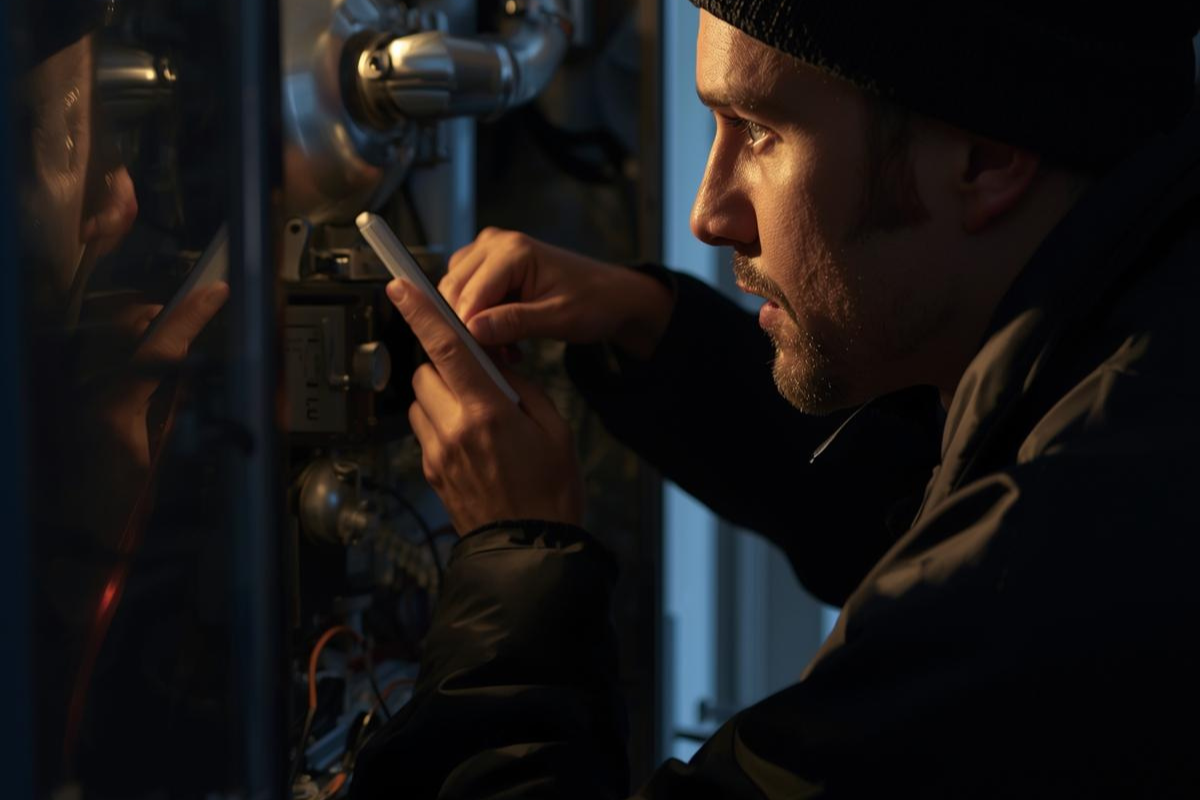
Professional HVAC maintenance ensures systems are inspected, tested, and adjusted correctly. Residential HVAC maintenance performed by licensed technicians includes safety testing, combustion analysis, and code compliance. When you’re searching for HVAC maintenance near me , you should always be led to trained professionals because improper DIY repairs are proven to increase safety risks and void warranties. Always choose licensed, trained, and certified professionals for winter service.
Comfort, Safety, and Peace of Mind All Winter
Winter HVAC maintenance protects your home during the most demanding season of the year. From comfort and efficiency to safety and family health, proactive care prevents breakdowns and costly emergencies. Delaying service increases risks and stress when temperatures are at their lowest.
Through repairHVACnow, homeowners are quickly matched with local experts who assess your system, explain findings, and schedule service efficiently.
What Happens When You Call repairHVACnow:
- Your needs are reviewed
- You are matched with a local licensed professional
- Service is scheduled promptly
So go ahead and call repairHVACnow for same-day services and schedule your inspection today!
FAQs
Q1. Why is winter HVAC maintenance especially important?
Winter HVAC maintenance is especially important because heating systems run harder in cold weather, making small issues more likely to turn into expensive breakdowns, comfort problems, or efficiency losses.
Q2. Can winter maintenance improve heating efficiency?
Yes. Winter maintenance can improve heating efficiency by keeping filters, burners, coils, controls, and airflow pathways clean, adjusted, and operating properly during heavy seasonal demand.
Q3. Does winter maintenance help with home safety?
Yes. Winter maintenance helps with home safety by identifying worn parts, blocked airflow, ignition problems, electrical issues, and other heating risks before they become more serious.
Q4. What winter warning signs should homeowners not ignore?
Homeowners should not ignore winter warning signs such as weak airflow, uneven heating, unusual smells, loud noises, nonstop operation, frequent cycling, or rising utility bills.
Q5. Can winter HVAC maintenance improve indoor comfort?
Yes. Winter HVAC maintenance can improve indoor comfort by supporting more consistent heat, balanced airflow, better system efficiency, and fewer cold spots throughout the home.