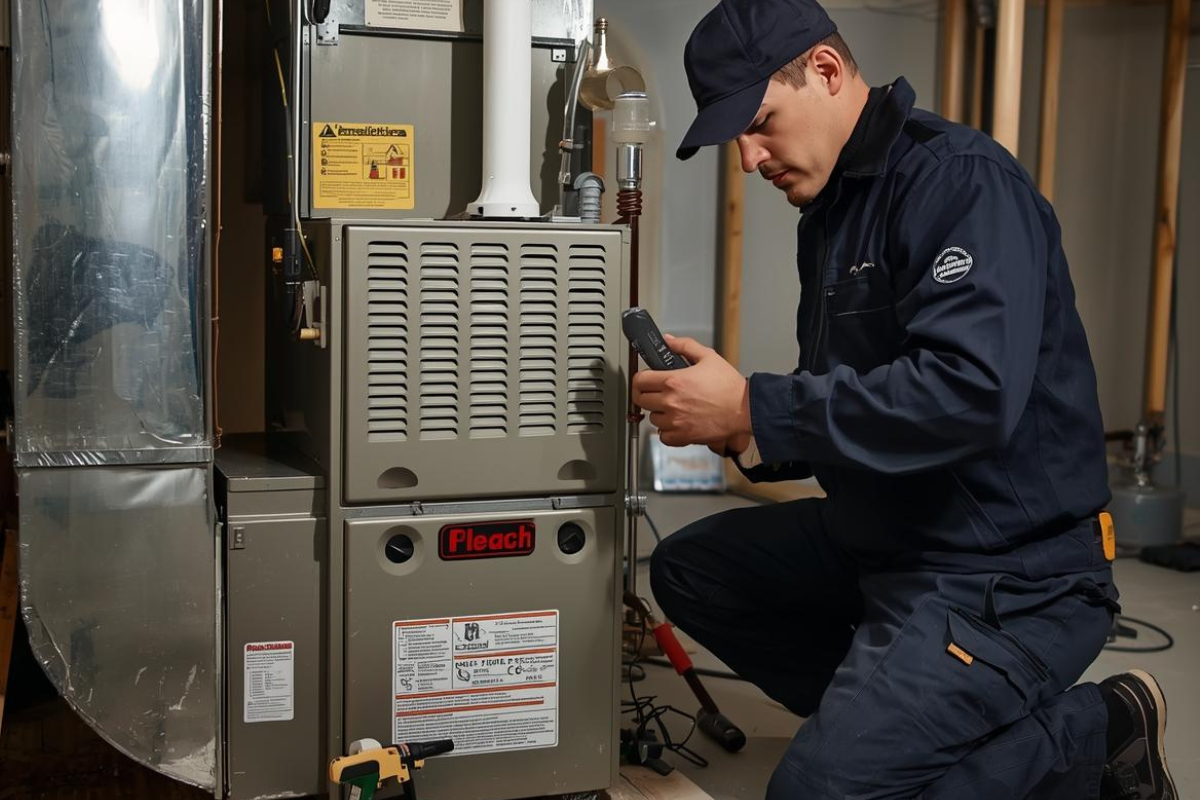
An Introduction to Home Furnace Installation
Cold rooms, rising winter energy bills, and a furnace that struggles to start are common signs something is wrong. For many homeowners in the areas that experience prolonged cold, elevation-driven cold, or sudden cold snaps, these issues point toward the need for home furnace installation rather than another short-term repair. When a heating system is outdated or improperly installed, comfort and safety suffer quickly during peak winter demand.
At repairHVACnow, we have learnt from watching homeowners wait too long only to face emergency breakdowns when temperatures are at their lowest. A proper home furnace installation directly affects energy efficiency, indoor air quality, and long-term system reliability. It is a high-impact decision that deserves careful planning.
This guide explains what homeowners should expect, what steps are safe to handle themselves, and when licensed professionals are required.
Do not ignore early warning signs. Schedule your HVAC inspection and plan your installation before peak winter stress hits your system to get ahead of winter risks.
Choosing the Right Furnace for Your Home
Selecting the right furnace is one of the most important parts of home furnace installation. A furnace that is too large or too small can cause uneven heating, excess wear, and higher utility bills.
Furnace Types Explained Simply
- Gas Furnaces
heat quickly and are common in cold climates
- Electric Furnaces
simpler but may cost more to operate
- Oil Furnaces
less common but still used in some regions
Other factors that influence selection include home size, insulation quality, and local winter severity. Energy efficiency ratings help estimate long-term savings, but the cost of home furnace installation varies based on system type and complexity.
DIY research can help compare efficiency ratings, but professionals perform load calculations and safety evaluations that homeowners cannot replicate.Request a professional evaluation before purchasing any furnace equipment.
Preparing Your Home for Furnace Installation
Proper preparation prevents delays, safety hazards, and code violations during residential furnace installation. Many issues arise when homeowners underestimate the planning involved.
DIY Tasks Homeowners Can Handle
- Clearing the installation area
- Securing pets and children away from work zones
- Ensuring access to electrical panels and utility shutoffs
Professional-Only Tasks
- Permits and inspections
- Code compliance checks
- Gas and electrical safety verification
Local weather can also affect installation timing, especially in the Northern & Mountain Cold Belt and High-Elevation Inland Cold Belts where frozen ground or snow impacts access. Save time by booking a pre-installation inspection before the actual installation day.
Tools and Materials Needed for Furnace Installation
A proper furnace setup guide includes specialized tools that most homeowners do not own and should not attempt to use.
High-level tool categories include:
- Electrical testing equipment
- Gas fittings and leak detection tools
- Venting and exhaust components
- Personal protective safety equipment
Attempting DIY furnace installation without the correct tools increases the risk of fire, carbon monoxide exposure, and system failure. Call licensed professionals for complete installation services.
Setting up a Furnace
This furnace installation setup guide serves as a helpful checklist homeowners can follow during professional installation:
Step 1: Positioning and Mounting the Furnace
Correct placement is critical for airflow, safety clearances, and long-term durability in a step-by-step furnace installation process.
Common Homeowner Mistakes
- Installing too close to walls or storage
- Ignoring manufacturer clearance requirements
- Poor drainage or uneven surfaces
Homeowners can safely measure available space, but professionals verify structural support and code-required spacing. At the very least, request a professional placement assessment before mounting any equipment.
Step 2: Connecting Electrical and Gas Lines
This step is not a DIY task. Electrical and gas connections present serious risks if handled incorrectly.
Improper connections can cause:
- Fire hazards
- Carbon monoxide leaks
- Electrical shock
- Code violations
Licensed technicians providing HVAC installation services test gas pressure, inspect electrical connections, and verify safe operation according to OSHA and DOE guidelines. Call licensed HVAC professionals immediately for this step.
Step 3: Installing Venting and Ductwork
Proper venting protects indoor air quality and family health. Poor exhaust flow can cause headaches, odors, and moisture buildup.
According to the EPA and ASHRAE, correct venting is essential for safe combustion appliance operation. Homeowners are advised to visually inspect ducts, but remember to schedule a professional duct and vent inspection so they can design vent slopes, seal joints, and verify exhaust flow.
Step 4: Sealing and Insulating Ducts or Pipes
Heat loss through leaks wastes energy and increases heating costs. During professional furnace installation, sealing and insulation improve comfort and efficiency.
The U.S. Department of Energy notes that leaky ducts can significantly reduce heating efficiency. While DIY checks can identify obvious gaps, professionals perform pressure testing and apply proper materials.Remember to request an expert efficiency evaluation to reduce heat loss.
Step 5: Testing and Ensuring Proper Furnace Operation
Final testing ensures the system operates safely and efficiently. This includes full furnace system testing and inspection.
Professional checks include:
- Airflow balance testing
- Safety sensor verification
- Thermostat calibration
- Combustion analysis
This step protects warranties and confirms safe startup. Confirm professional sign-off before regular system use. If testing has not been completed properly, call repairHVACnow for same-day service.
Maintenance Tips After Furnace Installation
Maintenance protects your investment and prevents early breakdowns after Furnace Installation Services are completed.
DIY-Safe Maintenance
- Replacing filters regularly
- Keeping vents clear
- Monitoring thermostat settings
Professional Maintenance
- Annual inspections
- Safety and combustion testing
- Performance optimization
Skipping maintenance increases repair risk and shortens system lifespan. Book an annual maintenance plan to protect long-term performance.
Protect Your Home and Family
A safe, efficient heating system delivers comfort, health, and peace of mind all winter. Whether you are planning same-day furnace installation or replacing an aging system, professional support matters.
When you contact repairHVACnow, here is what happens:
- You request an appointment
- You are matched with a licensed local technician
- Your home is inspected and options explained
- Installation is scheduled or completed promptly
Avoid the risks of DIY Furnace Installation. Contact repairHVACnow today to schedule your furnace installation and protect your home, comfort, and family.
