
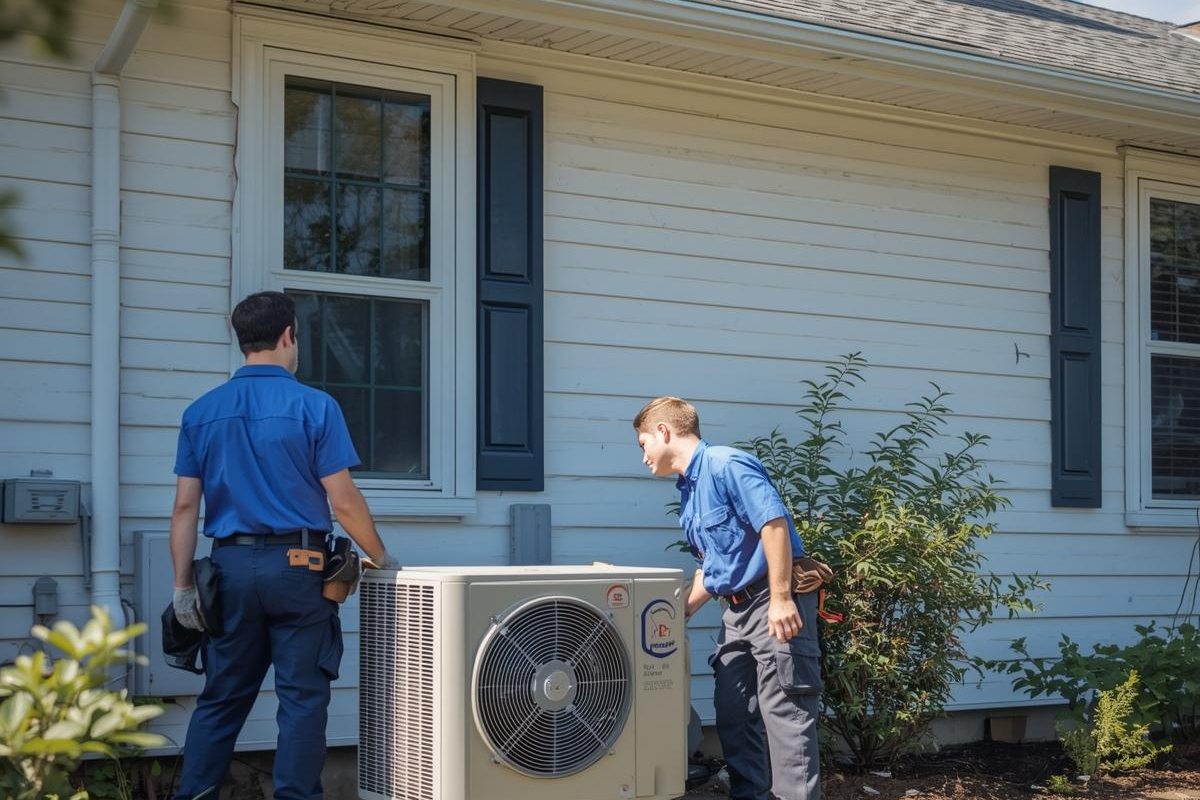
Step-by-Step Guide to Home Air Conditioning Unit Installation
Introduction to Home Air Conditioning Unit Installation
In the Upper Midwest and New England, summer heat can spike fast, and a system that is installed “almost right” can still leave you with hot rooms, high bills, or humidity that never feels comfortable. That is why air conditioning unit installation is not just about getting a unit connected. It is about sizing, airflow, electrical safety, refrigerant compliance, and final commissioning so your home cools evenly and safely.
We see the same pattern in households with many “mystery” comfort problems tracing back to installation shortcuts, especially skipped load calculations and incomplete testing. EPA also recommends proper sizing through ACCA Manual J methods because oversizing and undersizing cause real comfort and efficiency issues. Make sure to call repairHVACnow for same-day AC installation availability and to schedule a pre-install sizing and site check.
Choosing the Right Air Conditioning Unit for Your Home
Before anyone talks about how to install air conditioner equipment, we start with “what should be installed.” The biggest homeowner mistake is choosing based on price or “bigger is better.” Bigger often means worse comfort and higher operating cost.
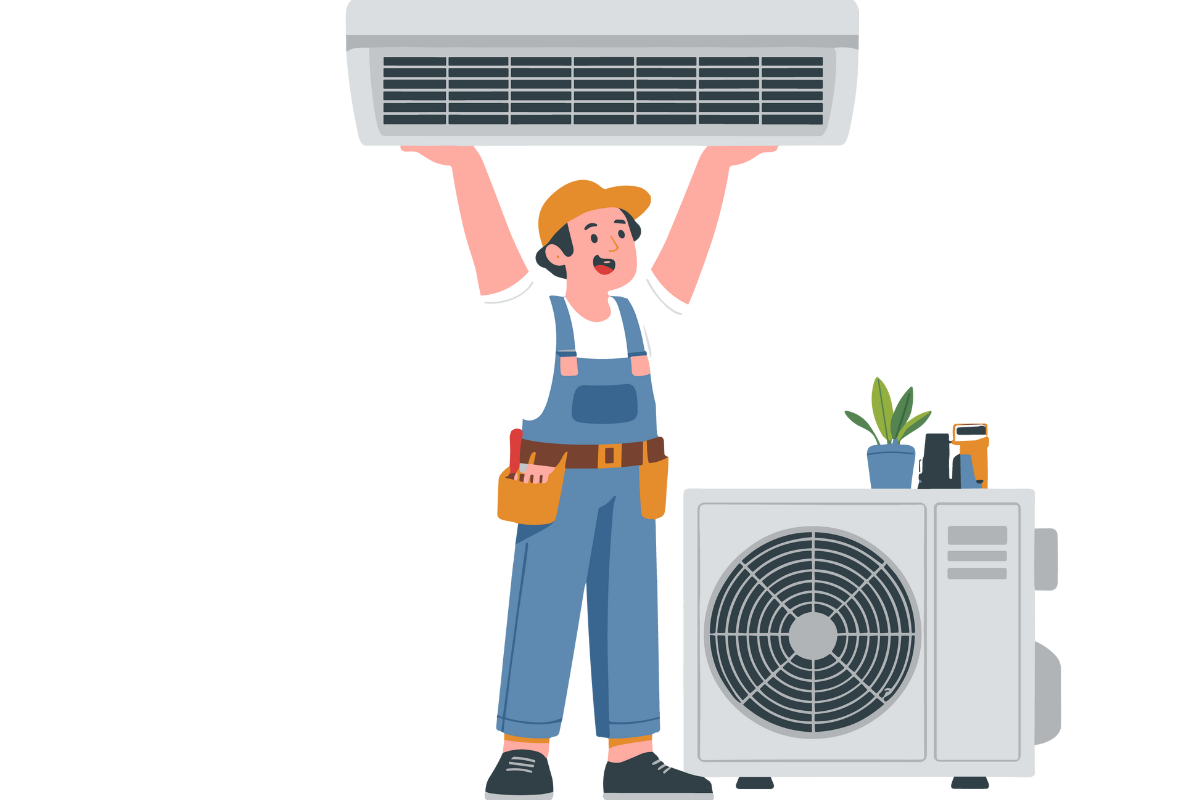
What To Check Before Air Conditioning Unit Installation
- Load Calculation (Manual J)
Manual J is the industry method for sizing based on your home’s heat gain. ACCA explains what Manual J is and why it matters.
- Efficiency Rating
DOE has updated federal test procedures for central air conditioners and heat pumps to reflect current industry standards and efficiency metrics, supporting more accurate measurement of energy performance and long-term reductions in electricity use.
- Ductwork Condition
Leaky or undersized ducts can sabotage comfort even with a new system.
- Humidity Control
Comfort is not just temperature; it is moisture removal too.
Gathering the last 12 months of your utility bills and noting the worst hot spots before booking your visit with repairHVACnow will help in correctly sizing the system for your home.
Preparing Your Home for AC Unit Installation
There are safe DIY prep steps homeowners can do, and there are steps you should not touch.
Safe DIY Prep (Homeowner-Friendly)
- Clear space around indoor and outdoor locations
- Make sure return vents are not blocked by furniture
- Ensure the electrical panel is accessible
Do Not DIY (High-Risk)
- Electrical Wiring and Disconnects
OSHA requires following electrical safe work practices to prevent shock and arc hazards.
- Refrigerant Handling
EPA Section 608 certification rules apply to refrigerant service and handling.
If you are considering DIY, stop at the electrical and refrigerant stage and schedule a pro walkthrough with repairHVACnow.
Tools and Materials Needed for Installation
A big reason HVAC installation services exist is that proper installation requires specialized tools and compliance checks, not just basic hand tools.
| Tool Category | Why It Matters | Why Pros Use It |
| Electrical testing tools | Confirms correct voltage and safe wiring | Prevents damaged equipment and shock risk |
| Refrigerant gauges + vacuum pump | Ensures the system is properly evacuated and charged | Refrigerant work is regulated and technical |
| Mounting hardware + pads | Reduces vibration and noise | Prevents long-term wear |
| Airflow measurement tools | Verifies airflow and comfort delivery | Supports proper commissioning |
If you do not have HVAC-grade measurement tools, plan on professional AC installation with repairHVACnow rather than trial-and-error setup.
AC Installation Guide
Step 1: Positioning and Mounting the AC Unit
Proper placement affects airflow, noise, drainage, and long-term reliability.
Common Homeowner Mistakes We See
- Outdoor unit too close to a wall or fence, restricting airflow
- Indoor equipment mounted where condensate drainage is unreliable
- Vibration control skipped, leading to rattles and early wear
What Technicians Do
- Confirm clearance and service access
- Level and anchor equipment properly
- Verify drainage pitch and safe routing
If the planned location has tight clearance, request a placement assessment by calling repairHVACnow before any equipment is set up.
Step 2: Connecting Electrical and Refrigerant Lines
This is when searching how to install an AC becomes an unsafe DIY project. Electrical and refrigerant connections can create immediate hazards and long-term performance problems. Homeowners cannot afford to forget that:
- Electrical work must follow safe practices to reduce shock risk.
- Refrigerant handling and service requirements fall under EPA Section 608 rules and isn’t meant for unlicensed personnel
What a Technician Does is High Level
- Confirms correct circuit protection and disconnect setup
- Properly evacuates the system and verifies charge conditions
- Pressure-tests and checks for leaks
If you are at this stage, please pause and book a professional AC installation for your and your family’s safety.
Step 3: Initial AC System Testing and Inspection
Before technicians call a job “done,” they verify that the system actually operates correctly.
Typical checks include:
- Electrical startup verification
- Refrigerant performance checks
- Airflow measurement and thermostat communication
- Temperature drop and system response validation
While we highlight the minimum standards and efficiency expectations for equipment performance, homeowners are reminded that these benefits only show up when the system is installed and operating properly. Make sure to ask your installer to explain what they measured, not just what they “set.”
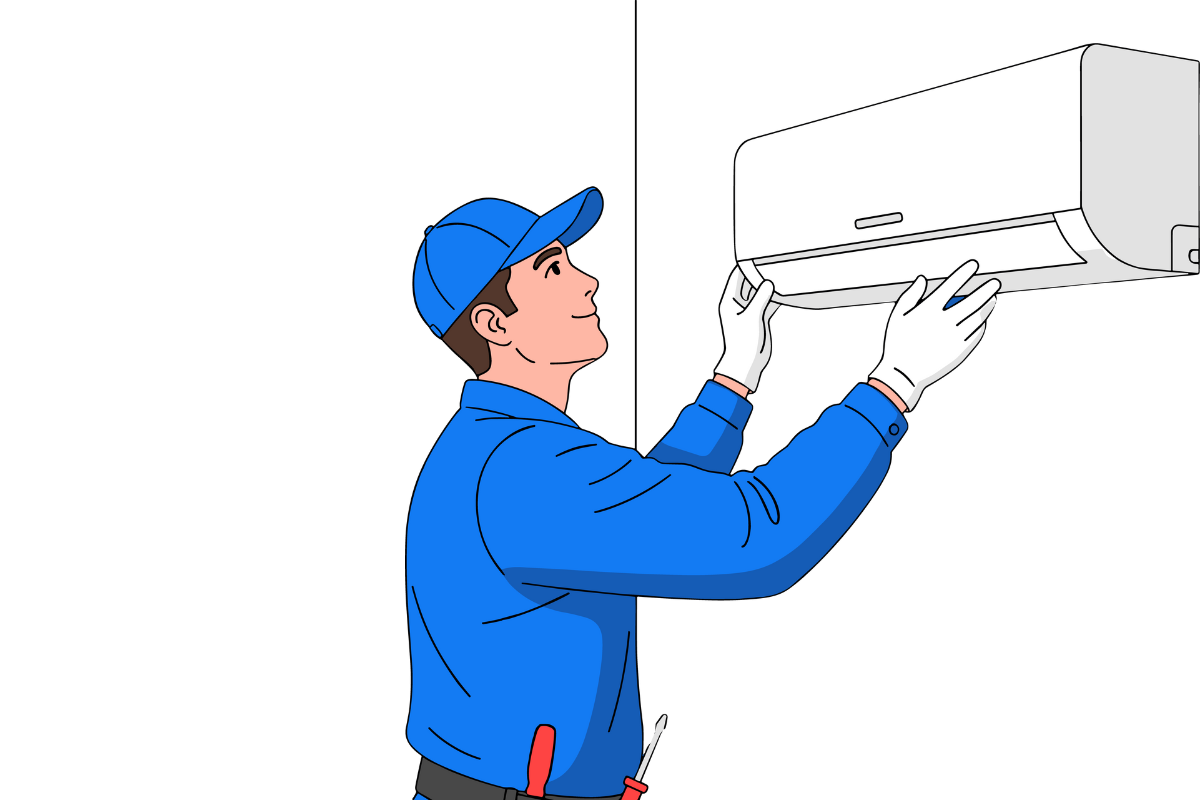
Step 4: Sealing and Insulating Ducts or Pipes
If you have ductwork, sealing is often the difference between “it runs” and “it feels great.” Leaky ducts can drive comfort problems. That’s why, at repairHVACnow, we recommend proper sizing and installation practices tied to Manual J methods.
Signs You May Need Duct Sealing
- Hot and cold spots by room
- Dusty rooms even with a new filter
- Weak airflow from certain vents
If you have uneven room temperatures, schedule a duct evaluation during repairHVACnow’s home air conditioning unit installation visit.
Step 5: Final Testing, Commissioning, and Walkthrough
This is the part many rushed installs skip. We know better than that and treat these steps as absolute essentials of any install.
Commissioning Includes
- Final AC system testing and inspection with documented readings
- Thermostat setup and homeowner walkthrough
- Warranty documentation and basic maintenance coaching
You should not accept a “we are done” without a walkthrough and clear explanation of at least the very basics of how your system operates.
Maintenance Tips After Home Air Conditioning Unit Installation
Safe DIY Actions
- Replace filters on schedule
- Keep the outdoor unit clear of debris
- Monitor for new noises, odors, or short cycling
When to Call Professionals
- Rising bills with the same thermostat habits
- Weak airflow or new hot spots
- Frequent cycling or inconsistent cooling
Want reliability through the hottest months? Book seasonal maintenance with repairHVACnow and ask about HVAC installation services support after install because we won’t leave you high and dry.
What Drives The Cost Of Home Air Conditioning Unit Installation?
While pricing is transparent, how much an installation costs depends on your home. These are the biggest factors any homeowner should consider:
- System size and complexity (stages, variable-speed)
- Duct repairs or sealing needs
- Electrical upgrades required to meet safe operation expectations
- Permits and code requirements
- Commissioning and verification time (the step that protects performance)
For an accurate estimate, schedule an in-home assessment with repairHVACnow. You will be walked through sizing, options, and realistic total install scope.
Last Word on AC Assembling
Homeowners sometimes search AC assembling when they really mean full air conditioning unit installation. If that is you, the safest next step is still the same: confirm sizing (Manual J), confirm electrical readiness, and leave refrigerant and final commissioning to certified pros.
You don’t have to wonder what will happen when you call us, it’s simple:
- Schedule your visit: choose a time that works for you
- In-home evaluation: Manual J sizing, duct & electrical check
- Clear options & pricing: No surprises, no pressure
Professional installation & commissioning: Tested, documented, and explained