
Triple-Digit Heat in Southern California Can Strain Your HVAC System
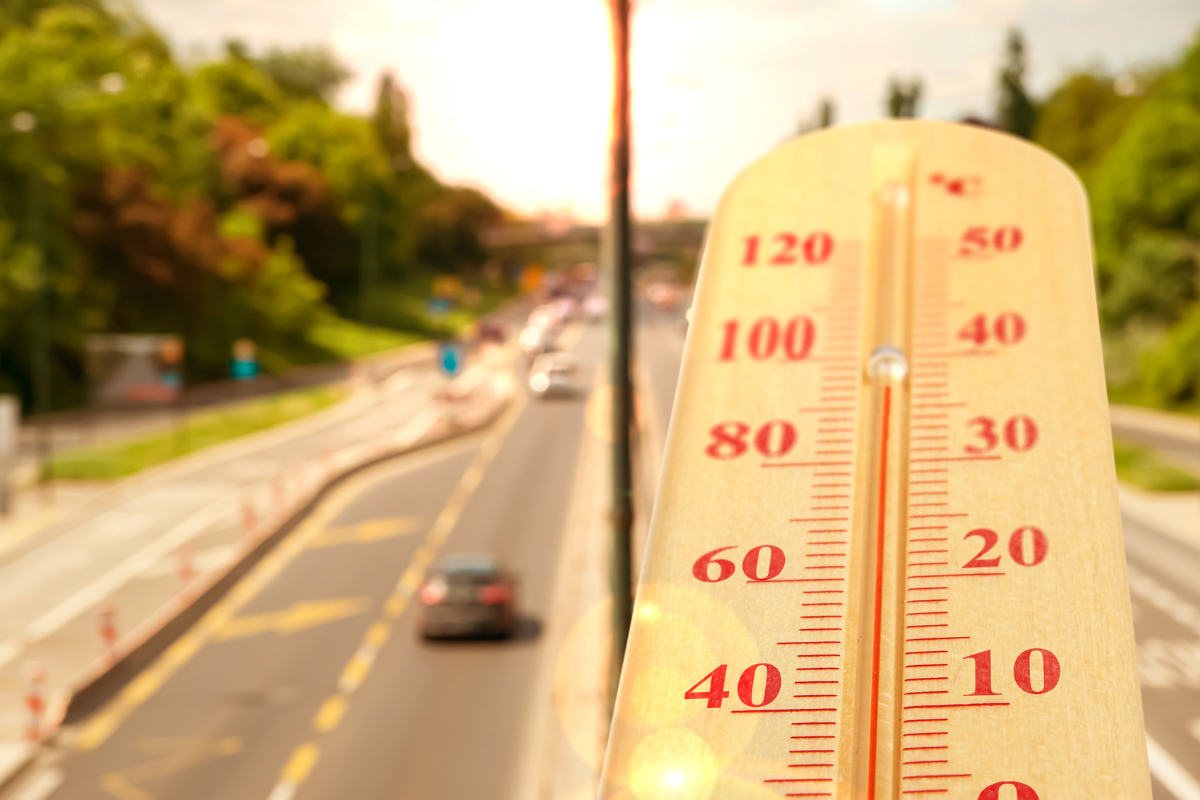
Southern California is heading into another stretch of dangerous heat, and residents across the region are being warned to prepare. Temperatures are climbing toward triple digits in inland communities, bringing an extreme heat warning to parts of the region.
For many homeowners in Los Angeles and San Diego, that means air conditioners will be running for hours at a time. During severe temperature spikes like this, HVAC systems can struggle and sometimes fail right when families need them most.
If you are seeing a heat advisory in California or alerts across SoCal, it is also a sign that your cooling system is about to face one of the toughest workload periods of the year.
Southern California’s Heat Wave Is Pushing Systems Hard
Temperatures across parts of Southern California are rising close to or above 100°F, especially in inland valleys. This kind of weather often leads to a heat warning in SoCal, which means dangerous conditions for both people and home cooling systems.
Air conditioners in LA and nearby areas may run almost nonstop. Long run times put more strain on motors, electrical parts, and airflow, especially in older systems or units that are already overdue for maintenance. When that happens, even small problems can quickly turn into major breakdowns.
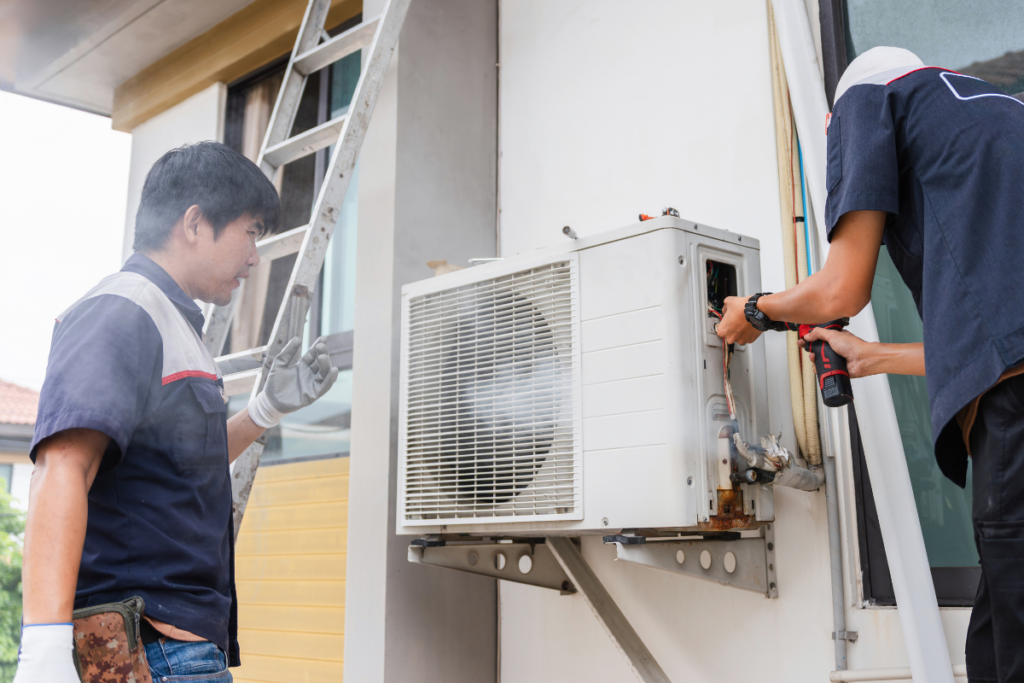
Older units, clogged filters, worn components, and electrical strain from heavy usage can all lead to cooling issues. That is why HVAC companies across LA and San Diego often see a spike in emergency calls during a heat advisory for SoCal.
Warning Signs Your AC May Be Struggling
When temperatures spike, your system may show early signs of trouble before it shuts down completely.
Watch for these warning signs:
- AC blowing warm air
- Weak airflow
- Buzzing or grinding sounds
- Thermostat struggling to keep up
- System running constantly while the home still feels hot
- Breakers tripping during peak cooling hours
Many homeowners assume the outdoor heat is the only reason the house feels uncomfortable. In many cases, these are signs that the system is under real strain and may need repair.
What Homeowners Should Do During Extreme Heat in SoCal
If your area is under a heat advisory or an extreme heat warning, start with the basics.
Make sure your air filter is clean. Restricted airflow is one of the fastest ways to overload a system during extreme temperatures.
Check the outdoor unit too. Debris around the condenser can trap heat and reduce efficiency.
It also helps to avoid drastic thermostat changes. Lowering the temperature too aggressively during peak afternoon heat can make the system work harder than necessary. If the breaker keeps tripping, do not keep resetting it, as that can point to a larger electrical or system issue that needs professional repair.
When to Call for Emergency HVAC Repair
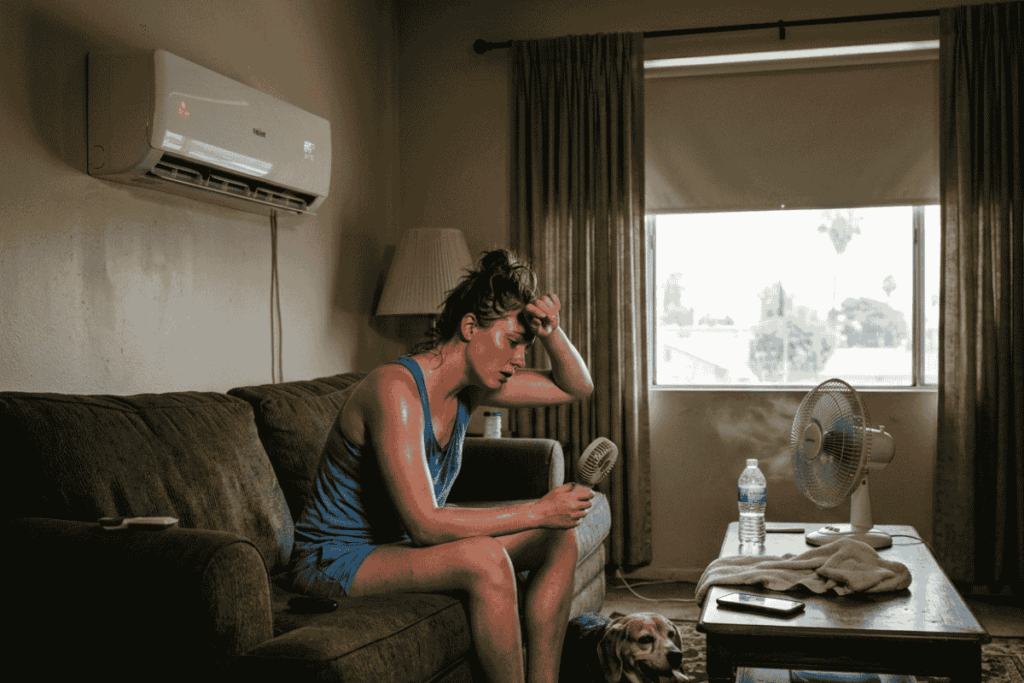
If your AC stops cooling during an extreme heat warning, do not wait. Indoor temperatures can rise quickly during a Southern California heat wave, especially in the hottest part of the day.
Call for immediate service if:
- Your AC stops running completely
- The system blows warm air continuously
- The breaker keeps tripping
- You hear loud mechanical noises
- Indoor temperatures keep rising
Cooling Help Across Southern California
During a heat advisory in California, staying cool is not just about comfort. It can also be important for health and safety.
With temperatures rising across LA, San Diego, Orange County, the Inland Empire, the San Fernando Valley, Long Beach, Ventura County, and Palm Springs, reliable air conditioning matters. If your system starts acting up during this stretch of extreme heat, getting it checked early can help prevent a full breakdown.
At repairHVACnow, we help homeowners connect with local HVAC professionals for fast diagnosis and repair before a struggling system turns into a full breakdown during peak heat.
Questions Homeowners Frequently Ask During Heat Waves
Why is my AC running all day but not cooling my house?
Your system may be struggling due to dirty filters, low refrigerant, or extreme outdoor heat reducing efficiency. Continuous running without cooling usually signals a system issue.
How can I keep my house cool during a Southern California heat wave?
Use blackout curtains, limit appliance use, run ceiling fans, and set your thermostat moderately. Avoid frequent temperature changes to reduce strain on your AC.
Is it normal for my AC to run constantly in 100°F weather?
Yes, during extreme heat, AC systems often run longer cycles. However, nonstop operation without reaching the set temperature may indicate reduced performance or a problem.
What temperature should I set my thermostat during extreme heat?
Set your thermostat between 75-78°F for efficiency and comfort. Lower settings can overwork your system and increase the risk of breakdown during peak heat.
When should I call for emergency AC repair during a heat wave?
Call immediately if your AC stops working, blows warm air, trips breakers, or indoor temperatures rise quickly. Delays can worsen damage and increase indoor heat risks.