
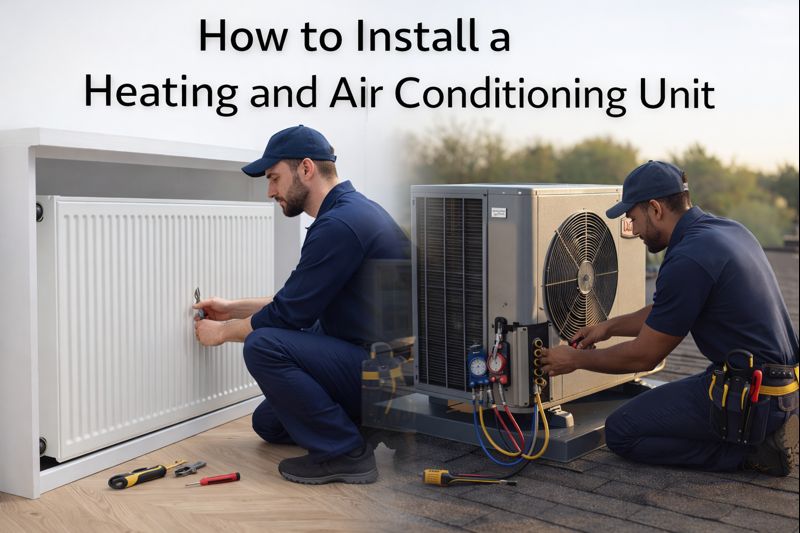
How to Install a Heating and Air Conditioning Unit | Repair HVAC Now
Introduction to HVAC Installation
Many homeowners start researching heating and air conditioning unit installation after noticing uneven temperatures, rising energy bills, or worsening indoor air quality. In hot summers or freezing winters, an aging or improperly installed system struggles to keep up, leaving families uncomfortable and concerned about safety.
What many homeowners don’t realize is that installing an AC or heating system is far more complex than it appears online. Electrical loads, airflow design, combustion safety, refrigerant handling, and code compliance all play a role. When any of these steps are done incorrectly, the result can be higher costs, poor comfort, and real health risks.
That’s where professional guidance makes the biggest difference. At repairHVACnow, we help homeowners avoid those risks by connecting them with licensed, trained professionals who understand local climate demands and residential systems. If your system struggles during peak weather, plan an evaluation before attempting any installation work. Schedule your HVAC inspection today by calling repairHVACnow for same-day service before small issues become expensive failures.
Tools and Materials Needed
Many homeowners underestimate the tools required for heating and air conditioning unit installation. This often leads to stalled projects, safety hazards, or improper setup.
Tools Homeowners Commonly Underestimate
- Electrical testing equipment for safe power verification
- Refrigerant gauges regulated under EPA rules
- Load calculation software used for sizing
- Sheet metal tools for airflow and duct connections
Materials Required for a Proper Installation
- Correctly sized heating and cooling equipment
- Refrigerant lines and insulation
- Electrical disconnects and safety shutoffs
- Condensate drainage components
Purchasing these tools individually often exceeds the cost of HVAC installation itself. Even then, most homeowners still don’t get professional-level results. If you’re debating whether to attempt installation work, it’s worth comparing tool costs, safety risks, and long-term reliability before deciding.
Preparing Your Home for Installation
Proper preparation reduces delays and safety risks during residential HVAC setup.
DIY-Safe Preparation Steps
- Clearing work areas around indoor and outdoor units
- Securing pets and children
- Ensuring attic or basement access
- Visually checking electrical panel space
Some preparation steps are simple, but others require specialized training and system knowledge.
When Preparation Requires a Professional
- Load calculations for correct sizing
- Ductwork inspection and airflow evaluation
- Electrical capacity upgrades
- Permit and inspection requirements
Old wiring, undersized ducts, or moisture buildup are all warning signs of a failing HVAC system that requires professional attention. Request a professional evaluation without delay.
Installing the Heating Unit
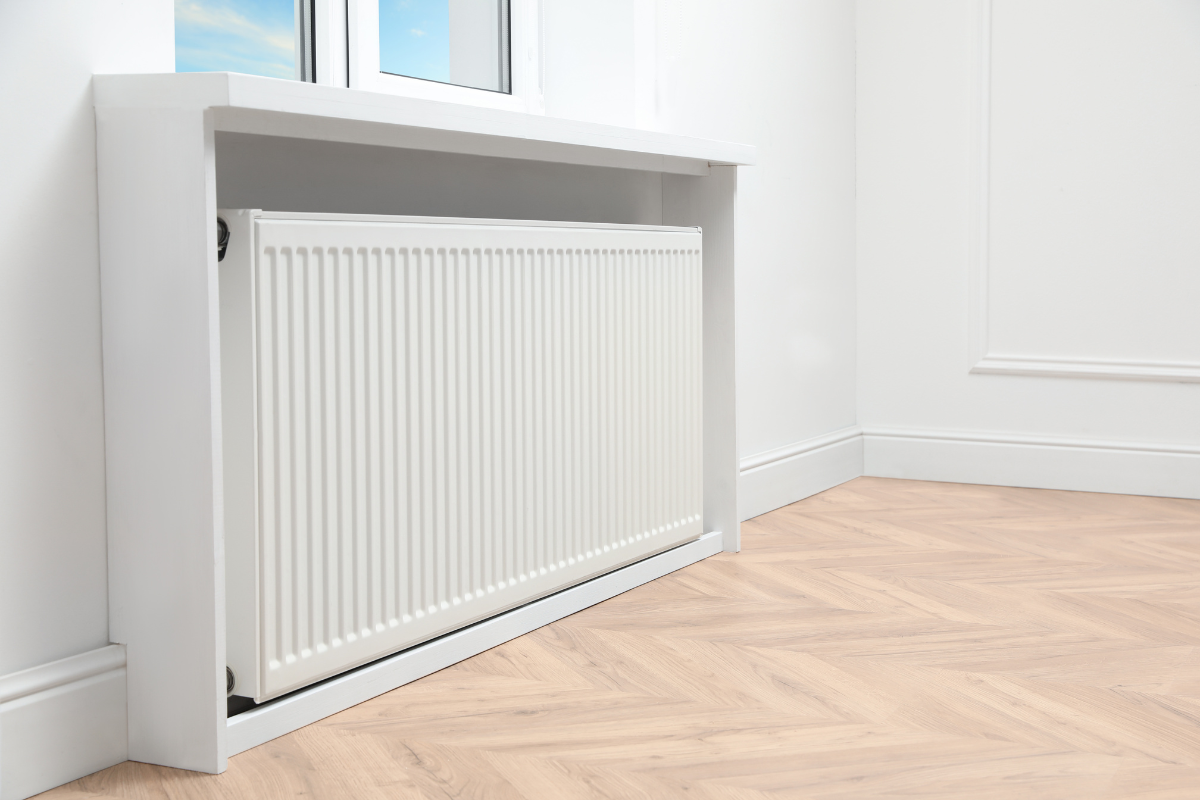
The heating portion of heating and air conditioning unit installation involves combustion safety, electrical integration, and airflow balance.
What’s Involved in Furnace or Heat Pump Installation
- Proper equipment sizing
- Venting and combustion air management
- Electrical and gas connections
Because heating systems involve combustion, electricity, and airflow, mistakes can have serious consequences.
Why DIY Heating Installation Is Risky
- Carbon monoxide exposure risks
- Fire hazards from improper wiring
- Local code violations
A licensed technician follows ACCA standards and usually has ASHRAE certifications so they can verify safe operation and airflow. That’s why you should always call a licensed professional for air conditioner and furnace installation.
Installing the Air Conditioning Unit
Cooling installation is equally complex within an AC unit installation.
Outdoor Unit Placement Considerations
- Required clearances for airflow
- Noise reduction for nearby rooms
- Flood and snow exposure risks
Indoor Coil and Refrigerant Line Installation
- Federally regulated refrigerant handling
- Moisture control and drainage
- System efficiency calibration
Meeting Central Air Installation Requirements
Before any central air system can be installed, your home must meet specific central air installation requirements. These requirements exist to protect homeowners, prevent system damage, and ensure long-term performance.
- Proper electrical capacity and disconnect placement
- Correct refrigerant line sizing and insulation
- Adequate airflow and duct compatibility
- Condensate drainage that prevents moisture damage
- Outdoor unit clearances for airflow and service access
Professional evaluations are critical before installation because DIY refrigerant handling is prohibited under EPA regulations for safety and environmental reasons. Since these steps are regulated and safety-critical, most homeowners choose professional help at this stage. Simply contact our team for reliable, expert AC repair or request a professional installation assessment today.
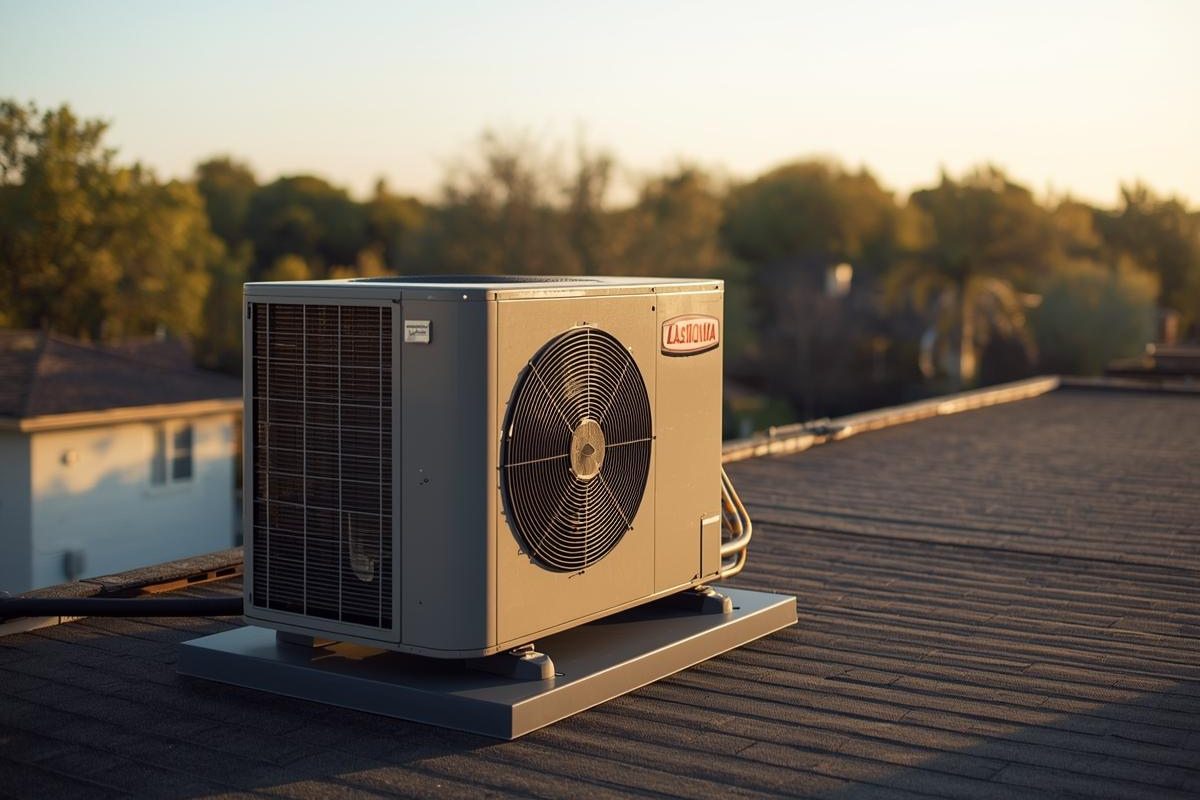
System Assembly and Integration
HVAC system assembly connects all components into a single, properly functioning system.
Electrical, Controls, and Thermostat Integration
- Smart thermostat configuration
- Zoning considerations
- Safety shutoff verification
Ductwork and Airflow Balancing
- Prevents hot and cold spots
- Reduces allergy and air quality issues
Improper airflow is a leading cause of discomfort and system strain according to the U.S. Department of Energy. Book a system integration inspection to confirm your heating and air conditioning unit is properly set up.
Understanding HVAC Permits by State
Permit requirements vary widely, which is why HVAC permits by state are often misunderstood by homeowners. Most states and municipalities require permits for new HVAC installations to ensure safety, energy efficiency, and code compliance. For homeowners, permits aren’t just paperwork, they protect resale value, insurance coverage, and safety.
Permits commonly cover:
- Electrical and gas connections
- Venting and combustion safety
- Equipment placement and clearance
- Final inspection approval
Skipping permits can lead to failed inspections, fines, insurance issues, and problems during home resale. Licensed professionals understand local permitting rules and handle the paperwork and inspections as part of the installation process.
Testing and Inspection
Testing is the most overlooked step during installation, yet it protects safety and performance.
What Professional Testing Includes
- Static pressure testing
- Refrigerant charge verification
- Safety switch testing
Consequences of Skipping Inspection
- Higher energy bills
- Shortened system lifespan
- Increased health risks
Energy Star strongly affirms professional testing ensures systems operate at intended efficiency levels and that’s why we recommend you never operate a new system without professional testing.
Maintenance Tips After Installation
Long-term performance depends on proper care after heating and air conditioning unit installation.
DIY Maintenance Homeowners Can Handle
- Regular filter replacement
- Keeping outdoor units clear
- Monitoring thermostat behavior
When to Call a Professional
- Strange noises or odors
- Uneven heating or cooling
- Rising utility costs
Regular maintenance prevents breakdowns and protects indoor air quality, according to NREL research. Your system’s life gets longer with every seasonal professional inspection you schedule.
Professional vs DIY Installation
Understanding the HVAC Installation Cost Breakdown
Homeowners often assume installation pricing is just about the equipment, but a true HVAC installation cost breakdown includes far more than the unit itself. Labor, safety compliance, system design, and testing all affect the final price.
A professional installation typically includes:
- Load calculations to size the system correctly
- Electrical, gas, and refrigerant connections completed to code
- Ductwork inspection or modifications when needed
- Startup testing, airflow balancing, and safety verification
Costs also vary based on home size, regional labor rates, existing infrastructure, and whether upgrades are required. This is often where homeowners get caught off guard. While DIY attempts may appear cheaper upfront, they often lead to higher long-term costs through inefficiency, repairs, or failed inspections.
| Factor | DIY Heating and Cooling Installation | Professional HVAC Installation |
| Safety | High risk | Code-compliant |
| Warranty | Often voided | Protected |
| Efficiency | Inconsistent | Optimized |
| Peace of mind | Low | High |
While guides titled how to install HVAC system or a home HVAC installation guide can explain concepts, they cannot replace professional training. For your family’s safety, long term savings and the knowledge that your system is in good hands,choose professional service.
Get it Installed Right the First Time
When you are ready for step-by-step AC and heating installation, at repairHVACnow, we simplify the process so you can sleep through the night with the comfort of dependable and professional unit setup.
What Happens When You Call repairHVACnow
- You request service or inspection
- We connect you with licensed, trained technicians
- Your home is evaluated and options explained
- Installation is scheduled, including same-day HVAC installation services when available
Avoid costly mistakes and unsafe shortcuts. Call repairHVACnow and get same-day service, schedule your HVAC inspection today, or request an installation appointment now for safe, efficient comfort you can trust.
FAQs
Q1. Why is full HVAC installation more complex than it looks?
Full HVAC installation is more complex than it looks because it involves system sizing, duct design, electrical connections, refrigerant handling, drainage setup, airflow balancing, and code-compliant installation practices.
Q2. What must be checked before installing a heating and cooling system?
Before installing a heating and cooling system, contractors should check load requirements, duct condition, electrical capacity, equipment compatibility, airflow needs, installation space, and condensate drainage planning.
Q3. What materials are commonly needed for HVAC installation?
Common materials needed for HVAC installation include indoor and outdoor equipment, refrigerant lines, electrical disconnects, insulation, mounting hardware, drain components, fittings, and sealed airflow connections.
Q4. Why does airflow design matter during installation?
Airflow design matters during installation because poor airflow can cause uneven temperatures, low efficiency, excess noise, short cycling, comfort complaints, and unnecessary strain on HVAC components.
Q5. Is code compliance important for HVAC installation?
Yes. Code compliance is important for HVAC installation because it supports safe operation, proper performance, inspection approval, and helps protect warranty coverage and long-term system reliability.