
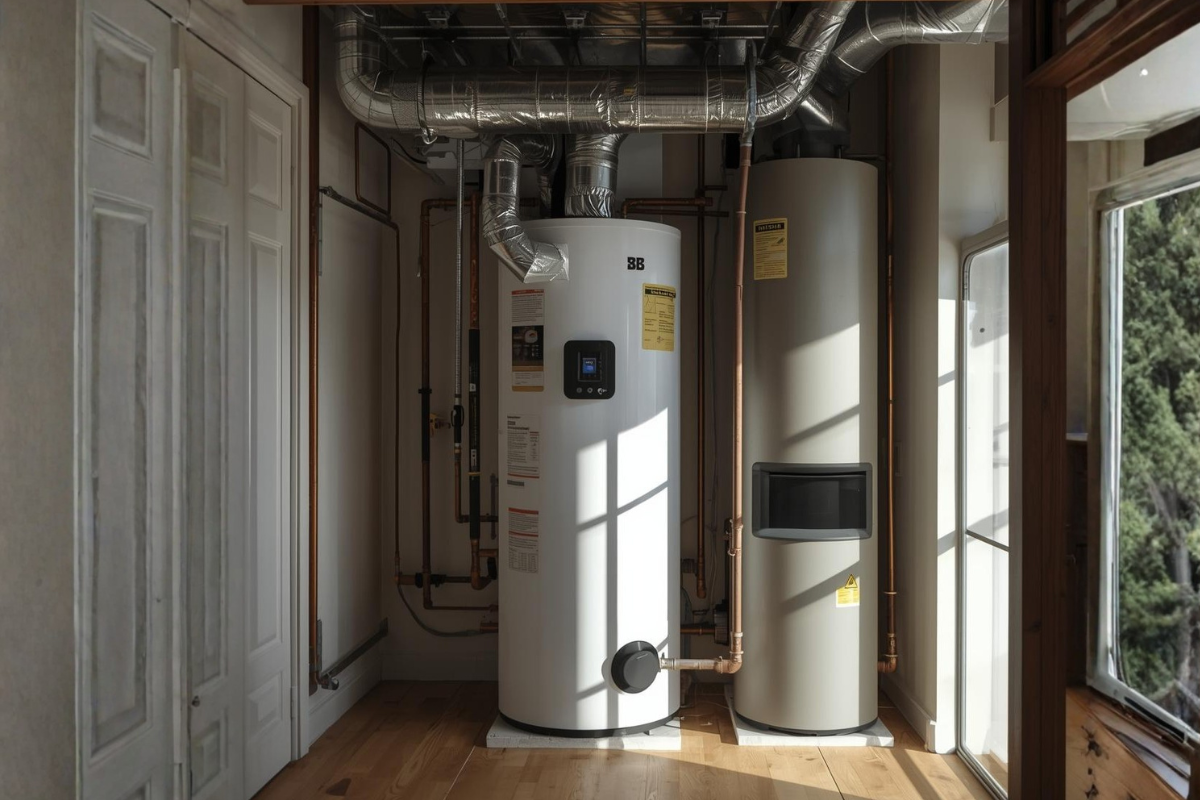
Boiler Vs Furnace: Choosing The Best Home Heating System In 2026
Choosing between a boiler vs furnace in 2026 can feel overwhelming, especially with rising energy costs, stricter efficiency standards, and a growing number of heating technologies on the market. Many homeowners want to maximize comfort without overspending on utility bills or maintenance. As a trusted local HVAC services company, we at repairHVACnow are dedicated to helping families navigate this decision every winter.
This guide breaks down how each system works, what it costs, how long it lasts, and which system delivers the most efficient home heating 2026. We will walk you through safety considerations, maintenance differences, and real world recommendations based on decades of installation and repair experience.
If you want expert help choosing the right system for your home, schedule your HVAC inspection today with repairHVACnow.
How Boilers Work In Modern Homes
Boilers are central to hydronic heating. An HVAC boiler heats water and circulates it through pipes to radiators, baseboards, or in floor radiant systems. Instead of blowing hot air, a hot water heat boiler system relies on thermal conduction, which delivers consistent, draft free warmth.
Modern boilers use condensing technology that captures energy from water vapor in the exhaust. This makes them far more efficient than older atmospheric units. According to the U.S. Department of Energy, condensing boilers can achieve efficiency levels above 90 percent when properly installed and vented.
Boilers perform best in homes with:
- Radiant heat or baseboard systems
- Multi story layouts needing steady heat
- Older homes retrofitted for hydronic heating
- Homeowners who prefer quiet, even warmth
repairHVACnow installs and services all major boiler brands and ensures each system meets modern 2026 efficiency expectations.
Understanding Furnace Operation And Heating Methods
Furnaces use forced air. They burn fuel or use electricity to heat air, which is pushed through ductwork by a blower motor. This delivers faster temperature changes compared to boilers.
Furnaces can run on natural gas, oil, propane, or electricity. Many 2026 high efficiency furnaces exceed 95 percent AFUE with sealed combustion, ECM blower motors, and smart ignition controls. Energy Star outlines updated requirements for high efficiency furnaces used nationwide.
Furnaces work well in homes with:
- Existing ductwork
- Homes needing fast temperature changes
- Households planning to add central AC or heat pumps
- Homeowners wanting a lower upfront cost
Quick Comparison
| Feature | Boiler | Furnace |
| Heat Delivery | Uses heated water through pipes and radiators | Uses heated air blown through ductwork |
| Comfort Level | Very consistent, steady, draft free heat | Faster heating but more temperature swings |
| Noise | Extremely quiet, no blower noise | Air movement and blower create noticeable noise |
| Air Quality | Does not circulate dust or allergens | Circulates air which can move dust and particles |
| Humidity Impact | Maintains natural indoor humidity better | Airflow can dry out indoor air |
| System Compatibility | Works with radiant floors and baseboards | Works with central AC, heat pumps, zoning |
| Maintenance | Fewer filters, but requires hydronic checks | More frequent filter changes and blower cleaning |
| Ideal For | Homes wanting even, silent heating | Homes needing quick heating and AC integration |
Boiler Advantages Compared To Traditional Furnaces
Boilers provide several benefits that homeowners love. As part of a residential heating system comparison, boilers stand out in:
- Comfort and even temperature distribution
- Extremely quiet operation
- Humidity stability
- Lower dust circulation
- Long equipment lifespan
- Ideal performance for radiant flooring
Because hydronic systems eliminate air movement, they benefit allergy-sensitive families and homeowners seeking consistent warmth without temperature swings.
Furnace Benefits Over Home Boiler Systems
Furnaces remain the most common best home heating system for good reasons:
- Faster warm up times
- Lower upfront installation costs
- Works with central AC and heat pumps
- Easier to replace and maintain
- Widely available parts
If your home already has ductwork, a furnace installation is often significantly cheaper than adding full hydronic piping.
Energy Efficiency Differences Between Boiler and Furnace
Heating efficiency is measured through AFUE. Modern boilers and furnaces both exceed older systems in performance, but each excels differently.
Depending on your home and its climate, high efficiency combustion systems can potentially reduce carbon output and can lower utility bills by 10 to 30 percent.
For efficient home heating 2026, both systems qualify, but installation quality determines most of the real world results.
Efficiency Comparison by 2026 Standards
| Category | High Efficiency Boiler | High Efficiency Furnace |
| AFUE Range | 90 to 95 percent+ | 95 to 99 percent+ |
| Preferred Climate | Cold climates | Most U.S. climates |
| Heat Delivery | Hydronic radiant | Forced air |
| Energy Savings Potential | Excellent for radiant homes | Excellent with ducts and zoning |
Installation Costs of Boilers and Furnaces
Cost is one of the biggest deciding factors in a boiler vs furnace choice. A boiler requires more labor, piping, and control components, so boiler installation costs tend to be higher.
Furnace installations are generally faster and involve fewer parts. However, duct repairs or replacements can increase total cost.
Estimated Cost Range Comparison 2026
| System | Equipment Cost | Installation Cost | Notes |
| Boiler | Higher | High due to piping | Ideal for radiant homes |
| Furnace | Lower | Lower overall | Best for ducted homes |
For accurate pricing, call repairHVACnow and get same day quotes.
Maintenance Requirements For Boilers And Furnaces
Maintenance plays a major role in the lifespan of any best home heating system.
Boiler maintenance tasks:
- Annual combustion check
- Pressure and expansion tank testing
- Flushing sediment
- Circulator pump checks
Furnace maintenance tasks:
- Filter changes
- Blower cleaning
- Burner inspection
- Heat exchanger safety checks
The Air Conditioning Contractors of America (ACCA) recommends scheduling annual inspections in order to maintain safety and system performance.
repairHVACnow provides complete maintenance plans for both systems.
Safety Considerations With Boiler And Furnace
Safety matters in every residential heating system comparison. Common risks include:
- Carbon monoxide leaks
- Poor ventilation
- Cracked heat exchangers
- Boiler pressure failures
- Gas ignition issues
The Occupational Safety and Health Administration (OSHA) highlights the importance of proper combustion ventilation in preventing hazardous conditions.
For your safety, repairHVACnow associates only with experienced technicians who follow strict safety protocols for all equipment types.
Choosing the Best Heating System For Your Home
Choosing between a boiler vs furnace depends on your home layout, climate, budget, and comfort expectations.
Choose a boiler if you want:
- Radiant floor heating
- Quiet, even warmth
- Long term comfort with minimal airflow
Choose a furnace if you need:
- Fast heating
- Central AC compatibility
- Lower upfront cost
If you are unsure which system fits your home, repairHVACnow can help evaluate heat loss, duct conditions, hydronic piping, and equipment sizing to guide homeowners to the right decision.
Call repairHVACnow for same day service, installation quotes, or a full best home heating system evaluation.