
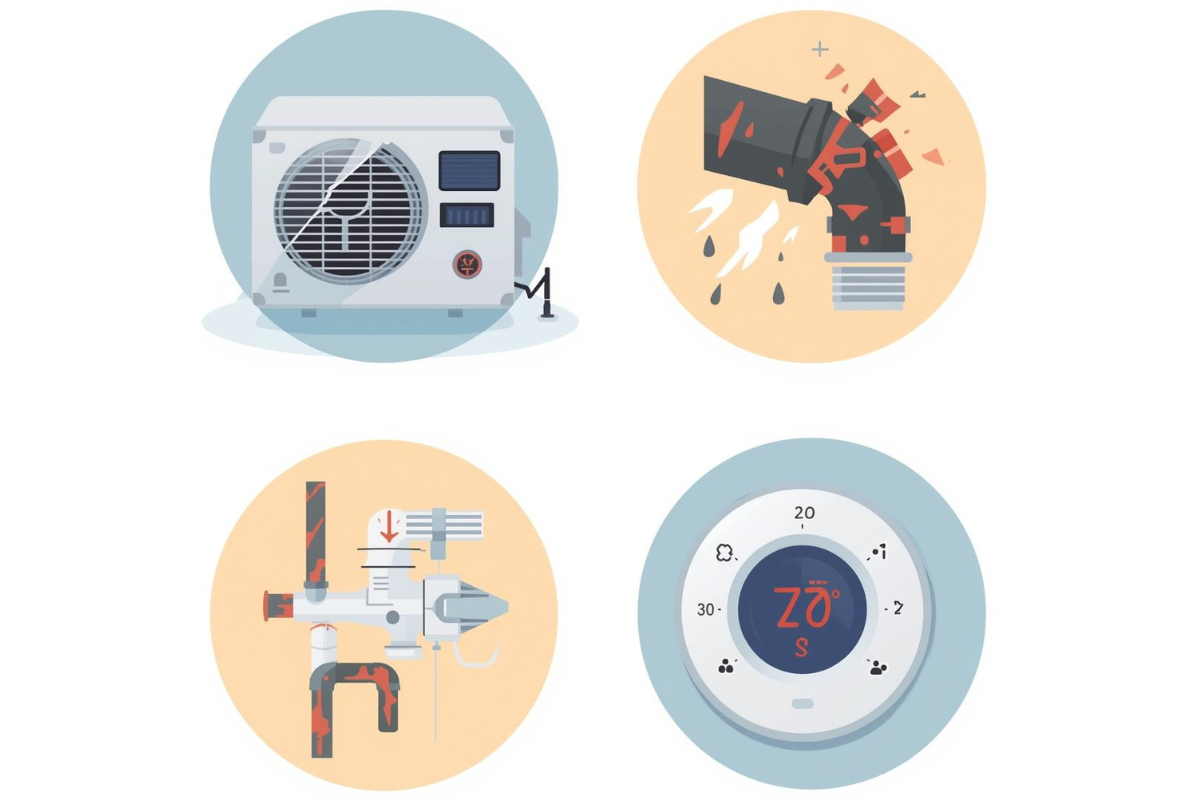
7 Most Common HVAC Issues Homeowners Face in Winter
When temperatures drop and winter weather settles in, your home’s HVAC system becomes the first line of defense against freezing conditions. But winter is also the season when problems seem to appear out of nowhere; a furnace that struggles to heat the home, a thermostat that stops responding, or a heat pump covered in frost. These are some of the most common situations our team at RepairHVACNow sees every winter across countless homes.
Homeowners often don’t realize how much strain their heating equipment is under during extreme weather. Heavy usage, dirty filters, worn components, and poor airflow can cause small issues to snowball into full system failures. Recognizing the most common HVAC issues early helps prevent surprises and keeps your home warm when it matters most.
As a trusted local HVAC company with professionals that have decades of hands-on experience, we’re here to break down the seven most frequent cold-weather problems and how you can avoid them with the right care and winter maintenance. Here’s a breakdown of the seven most frequent cold-weather problems homeowners face and how to avoid them with routine maintenance.
Why HVAC Systems Fail When You Need Them Most
Winter puts unique stress on heating systems. Heat pumps run longer cycles, furnaces work harder to maintain indoor temperatures, and any underlying issue, even a minor one, becomes amplified in cold weather.
Some of the most common mechanical causes behind winter failures include:
- Refrigerant or airflow restrictions
- Faulty thermostats
- Dirty or failing burner components
- Frozen or blocked heat pump coils
- Clogged filters causing overheating
- Electrical issues affecting ignition
These issues typically escalate because the system is already operating near its maximum capacity. According to the U.S. Department of Energy, lack of proper HVAC maintenance is one of the most common reasons for efficiency loss and premature equipment failure.
At RepairHVACNow, certified technicians are trained to diagnose these problems quickly, ensuring homeowners don’t go without heat during freezing weather. Your equipment can run more efficiently and last longer if maintained regularly, preventing most of these failures:
1. Furnace Not Producing Enough Heat
A furnace that runs constantly but still can’t keep the home warm in colder months is one of the most frequent Common HVAC Issues we see during winter. This can happen due to dirty burners, weak blower motors, clogged filters, duct leaks, or thermostat miscommunication.
Fuel-burning furnaces rely on optimized airflow and clean combustion components to produce the correct amount of heat. The Consumer Product Safety Commission highlights that improperly functioning heating equipment can fail to draft correctly, reducing heat output and posing safety risks.
Homeowners should check for dirty filters, blocked supply vents, and unusual odors or sounds. But if the furnace still can’t achieve consistent heating, calling a technician to inspect the burner assembly, heat exchanger, and blower system for deeper issues could prevent larger and more expensive repairs.
2. Thermostat Malfunctions
When a heating system stops cycling correctly or temperatures feel inconsistent, the thermostat is often the culprit. Many problems with HVAC begin with something simple, such as incorrect thermostat wiring, weak batteries, or poor thermostat placement.
The U.S. Department of Energy explains that thermostat misplacement or improper configuration can make maintaining comfortable temperatures difficult and lead to unnecessary system strain.
Smart thermostats also introduce new challenges, such as Wi-Fi dropouts, software glitches, or compatibility issues with older furnaces. At RepairHVACNow, one of the first winter troubleshooting steps performed is validating thermostat accuracy and wiring before moving on to more complex diagnostics.
3. Dirty or Clogged Air Filters
A dirty filter is one of the most overlooked causes of HVAC heating problems, even though it’s also one of the easiest to prevent. When dust and debris clog the filter, airflow drops significantly. This forces the system to work harder, which can cause overheating, weak air output, frozen coils, and poor indoor air quality.
Energy Star emphasizes that replacing HVAC filters regularly is one of the most effective ways to reduce heating costs and prevent equipment failure.
If your system is struggling to heat the home, replacing the filter should always be the first step. Filters that clog unusually fast may indicate duct leaks, pet dander buildup, or other airflow issues, so if your filter clogs quickly or airflow still feels weak, it’s a good idea to schedule a professional inspection.
4. Electrical or Pilot Light Problems
Electrical issues are a major source of cold weather furnace problems in older and newer systems alike. In older systems, pilot lights may blow out or fail to stay lit. In modern furnaces, electronic ignition components such as hot surface ignitors or flame sensors can malfunction due to wear, contamination, or electrical instability.
Ignition system failures, intermittent pilot outages, and electrical control malfunctions are well-documented contributors to reduced furnace performance. Trane’s official troubleshooting guide states that dirty or faulty flame sensor could cause your furnace to not ignite.
Homeowners should never attempt electrical repairs themselves. If the furnace won’t ignite or keeps shutting down, a trained technician should inspect the ignition board, flame sensor, safety switches, and power supply.
5. Strange Noises from the HVAC System
Grinding, banging, or rattling noises in winters are common HVAC issues and often too urgent to be ignored. These noises indicate loose components, motor wear, blower imbalance, or duct problems.
Carrier warns that unusual noises often signal mechanical failures that can worsen rapidly without professional attention. While some noise sources are simple, like a loose panel, others may point to failing bearings or motor assemblies.
If you hear anything out of the ordinary, it’s safest to shut the system off and call RepairHVACNow before the damage spreads.
6. Uneven Heating Across Rooms
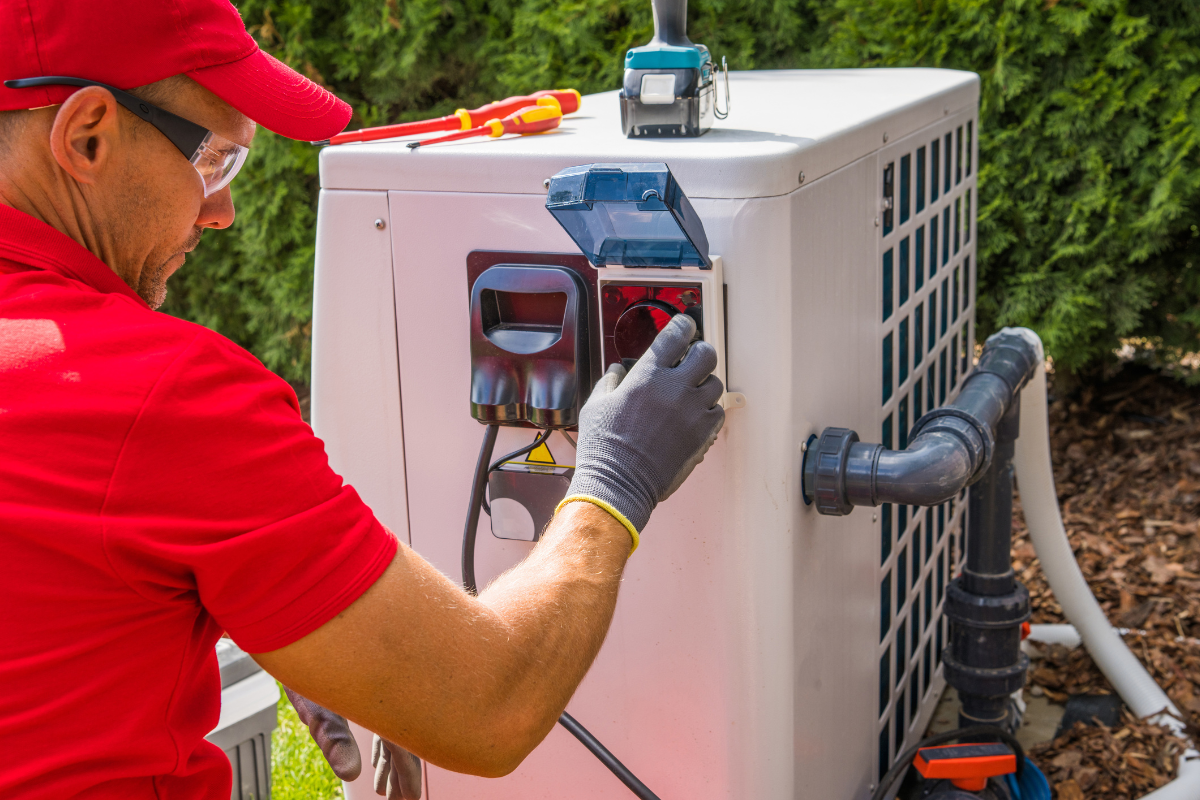
Uneven room temperatures are among the most common winter problems with HVAC homeowners experience. Rooms farthest from the furnace may feel colder, and multi-story homes often experience temperature swings.
Airflow imbalances, duct leaks, blocked vents, or improperly sized systems are typical causes. Energy Star notes that duct leakage alone can cause significant heat loss and uneven room temperatures.
Professionals can perform airflow balancing, duct sealing, and system sizing assessments to correct uneven heating and restore comfort.
7. Refrigerant or Airflow Issues
Even in winter, heat pumps rely on proper refrigerant charge and airflow to transfer heat efficiently. Low refrigerant levels, frozen outdoor coils, or blocked airflow can cause poor performance leading to heat pump problems in winter.
The Department of Energy states that airflow restrictions and refrigerant issues reduce heat pump efficiency and increase energy consumption.
A trained technician can check refrigerant pressure, inspect coils, and clear airflow obstructions to restore proper operation.
Start the New Year with a Healthy HVAC System
Winter HVAC issues can cause discomfort, safety risks, and unexpected repair bills, but most of them can be prevented with routine HVAC winter maintenance and early troubleshooting. Whether your home is experiencing weak heating, thermostat failures, airflow problems, or unusual noises, the best step is to address these problems before they worsen.
At RepairHVACNow, experts are dedicated to keeping your home warm, efficient, and safe all season long. If you’re noticing any common HVAC issues or want a proactive inspection, schedule your HVAC maintenance today. A well-maintained system not only performs better in winter, it lasts longer, costs less to operate, and gives your family peace of mind through the coldest months of the year.
FAQs
Q1. Why do HVAC problems show up more in winter?
HVAC problems appear more in winter because heating systems run longer, placing extra stress on components and revealing hidden airflow, ignition, electrical, or thermostat issues that go unnoticed during milder weather.
Q2. Can a dirty filter cause winter heating problems?
Yes. A dirty filter can cause winter heating problems by restricting airflow, reducing efficiency, overheating components, and forcing the system to work harder to maintain indoor comfort.
Q3. Why is my heat pump covered in frost during winter?
A heat pump covered in light frost during winter can be normal briefly, but persistent ice may signal airflow restrictions, low refrigerant, or a defrost cycle problem.
Q4. Can thermostat problems mimic furnace failure?
Yes. Thermostat problems can mimic furnace failure by causing no heat, short cycling, incorrect temperature readings, or failure to signal the heating system properly.
Q5. What winter HVAC issues should be checked first?
Check the air filter, thermostat settings, circuit breaker, vent airflow, and any unusual sounds or odors first, since these common issues often reveal the cause quickly.