
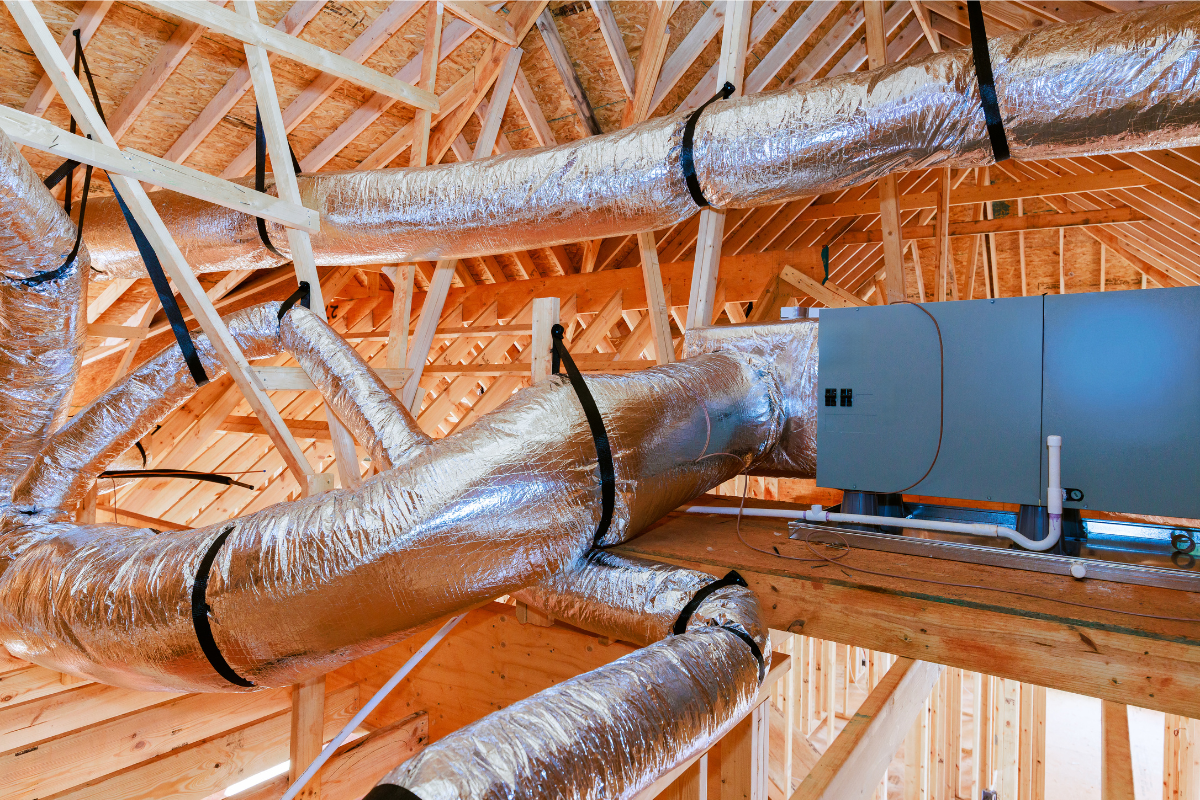
5 Smart Duct Insulation Tips from an HVAC Expert
Duct insulation is one of the most overlooked components of a heating and cooling system. Many homeowners focus on upgrading their HVAC unit but ignore the condition of the ductwork that actually delivers the air. If your ducts are poorly insulated or deteriorating, your system may be working harder than necessary, increasing energy bills and reducing comfort.
Whether you are planning a home improvement project or simply evaluating your current setup, these five expert insights will help you make informed decisions about duct insulation.
1. Does It Make Sense to Reinsulate Existing Ductwork
If your duct insulation is crumbling, torn, or missing in spots, your first instinct might be to replace the insulation only. While that seems like the budget friendly solution, it is not always the most practical choice. In many cases, the labor involved in removing old insulation and re wrapping existing ducts can cost nearly as much as replacing the ductwork entirely. If your ducts are older, poorly sealed, or located in a crawl space or attic, full replacement may offer better long term value.
Modern flexible duct systems often come pre insulated from the manufacturer. Installing new insulated ducts can provide improved sealing, better airflow efficiency, and cleaner installation overall. If your duct system is aging, replacement may be a smarter investment than simply re insulating it. However, every home is different. A qualified local HVAC contractor can evaluate your specific situation and recommend the most cost effective approach.
2. Understanding R Value and Why It Matters
When discussing duct insulation, you will often hear the term R value. R value measures thermal resistance. The higher the R value, the better the insulation performs at resisting heat transfer. Common duct insulation options include fiberglass wrap, reflective bubble insulation, and pre insulated flex ducts rated at R6 or R8. In hotter climates or extremely warm attic spaces, a higher R value can make a noticeable difference in energy efficiency. For example, in attics where temperatures can exceed 130 to 150 degrees Fahrenheit during summer months, ducts with low insulation ratings may struggle to maintain cool air temperatures. This forces your air conditioning system to work harder, increasing wear and energy consumption.
While the highest R value is not necessary in every situation, using insulation that meets or exceeds local building codes is essential. Climate, duct location, and home design all influence the appropriate insulation level. Consulting with a licensed HVAC professional ensures that your insulation choice matches your home’s needs.
3. Consider Conditioning the Space Where Ducts Are Located
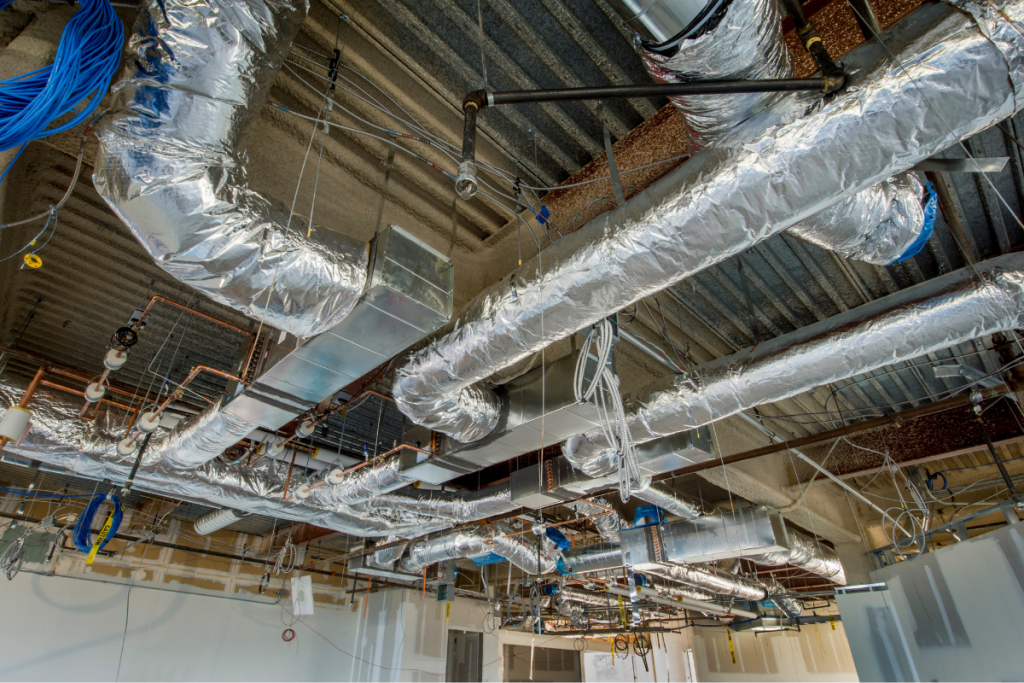
One of the most effective yet often overlooked strategies is controlling the environment around the ductwork itself. Many ducts run through unconditioned spaces such as attics, garages, or crawl spaces. In extreme heat or cold, these areas can dramatically impact system performance. When ducts sit inside an attic that feels like an oven in summer, even well insulated ducts can struggle.
Options such as attic ventilation improvements, solar attic fans, crawl space encapsulation, or partial attic conditioning can significantly reduce temperature extremes. When the surrounding air temperature is moderated, duct insulation does not have to work as hard. In some climates, conditioning the attic or crawl space may provide meaningful energy savings over time. However, this approach depends heavily on regional weather patterns and building structure. Always seek advice from local HVAC specialists familiar with your climate. Improving the environment around your ducts can extend system lifespan and improve indoor comfort.
4. Can Homeowners Replace Duct Insulation Themselves
This is a common question. The answer depends on the scope of the project. For small accessible sections of ductwork, such as a single exposed run in a basement, a skilled homeowner may be able to remove damaged insulation and re-wrap it using proper HVAC rated materials. However, working in tight attic spaces or crawl spaces presents safety concerns. Additionally, disturbing duct connections or improperly sealing insulation can reduce system efficiency or create air leaks.
Homeowners should avoid opening HVAC units, furnaces, or outdoor condenser components without professional training. These systems involve electrical components, refrigerant lines, and combustion elements that require licensed expertise. If the repair is minor and easily accessible, it may be manageable. For larger projects or full system upgrades, hiring a professional is typically the safest and most efficient choice.
5. New Duct Technologies are Changing the Industry
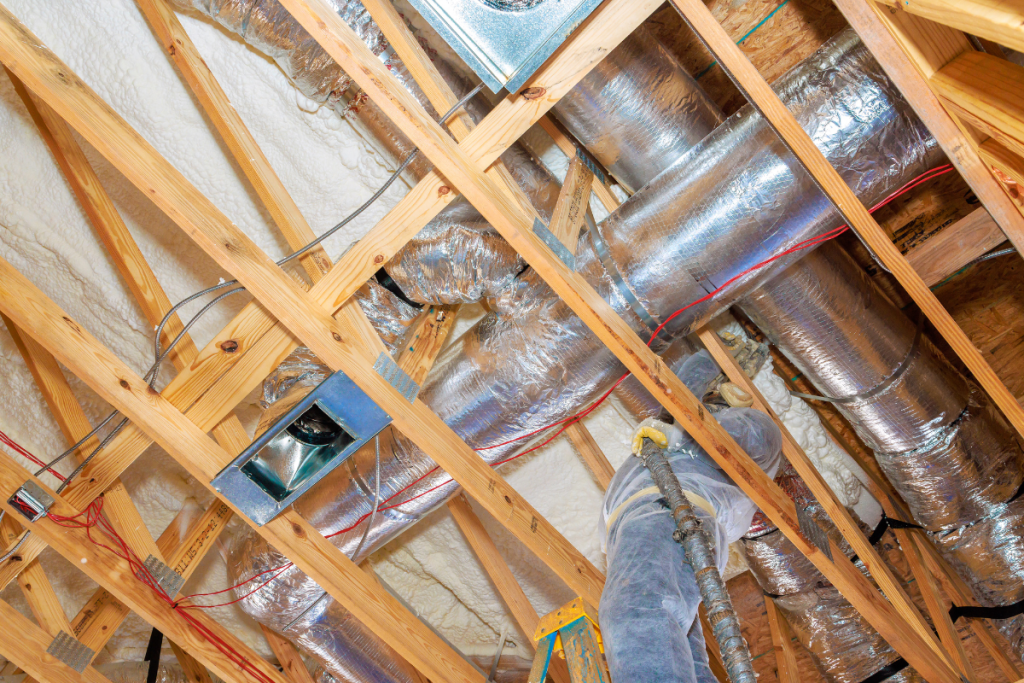
The HVAC industry continues to evolve. When many professionals first entered the field, several of today’s pre insulated and modular duct systems were not yet available. Modern duct products now include factory insulated flexible ducts, improved sealing systems, and modular snap together designs that simplify installation. These innovations reduce labor time and improve consistency in insulation quality.
As building codes tighten and energy efficiency standards increase, manufacturers are developing duct systems that are more durable, better insulated, and easier to install correctly. In the future, homeowners may see more plug and play style duct products that make upgrades simpler and more accessible. While professional installation will remain important, improved materials are helping reduce common insulation issues seen in older systems. Staying informed about these advancements allows homeowners to make smarter long term decisions.
Final Thoughts on Duct Insulation
Duct insulation plays a critical role in maintaining comfort, lowering utility costs, and protecting your HVAC system. If your insulation is deteriorating, take time to evaluate whether repair or full replacement makes more financial sense. Focus on proper R value for your climate, consider improving the environment around your ducts, and consult qualified professionals before starting major projects.
Small improvements in duct insulation can lead to measurable gains in energy efficiency and indoor comfort. Investing wisely today can prevent larger repair costs in the future. If you suspect your ductwork insulation has seen better days, scheduling a professional inspection is the first step toward a more efficient and comfortable home.