
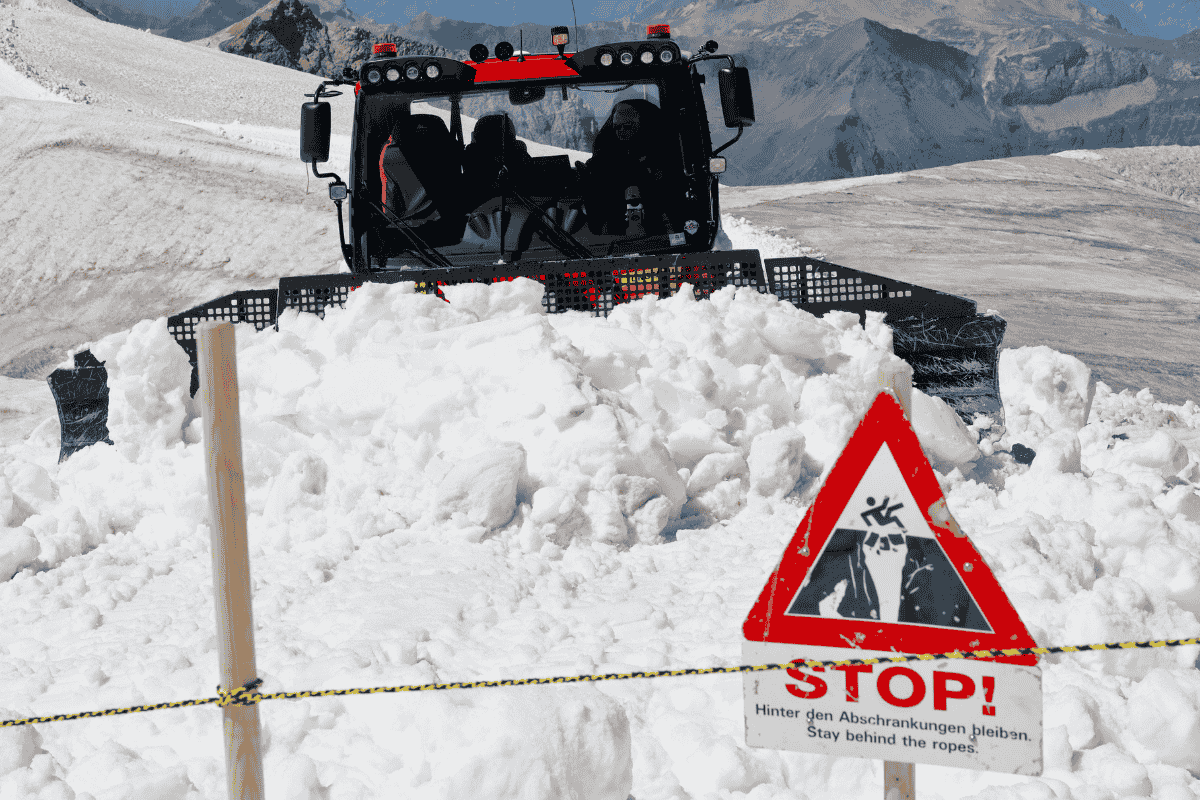
In Washington, the National Weather Service says a Winter Weather Advisory remains in effect until 5:00 AM PDT Thursday for the passes and nearby mountain communities, including Stevens Pass, Methow, Stehekin, Twisp, Winthrop, and Holden Village, with additional snow expected.
In northern Maine, the National Weather Service in Caribou says much of the north can expect around 1 to 2 inches, with the highest totals in the St. John Valley and northwestern Aroostook where 2 to 3 inches are possible, along with travel impacts in the Upper Penobscot Valley and northern Washington County.
This is the kind of storm people brush off because the totals do not sound extreme. That is exactly why it causes problems. In the Cascades, roads can go from wet to slushy to icy as colder air pushes snow levels down toward the passes. In northern Maine, even modest snowfall can strain emergency response and make it harder for HVAC technicians to get to homes once conditions worsen. That means a repair that could have been handled quickly a day or two earlier can become a much bigger no-heat problem once roads deteriorate and service demand rises.
If your system has been showing warning signs, now is the time to act. Call repairHVACnow for same-day service before the weather adds pressure to an already weak furnace, boiler, or heat pump.
Where This Storm Matters Most
In Washington, the main concern is the mountain travel corridor around Stevens Pass and higher-elevation communities in western Chelan and western Okanogan counties. The advisory specifically covers places like Stevens Pass, Stehekin, Holden Village, and the Methow area.
In northern Maine, the concern is more about timing and location than a giant headline total. The National Weather Service discussion highlights impacts across the St. John Valley, northwestern Aroostook, the Upper Penobscot Valley, and northern Washington County, with lingering effects possible into Thursday.
That matters for homeowners because storms like this tend to expose problems fast. A system that has been barely keeping up can fail when temperatures dip, when airflow gets restricted, or when the power cuts out and the equipment has to restart under stress.
Why this Weather is Hard on Home Heating
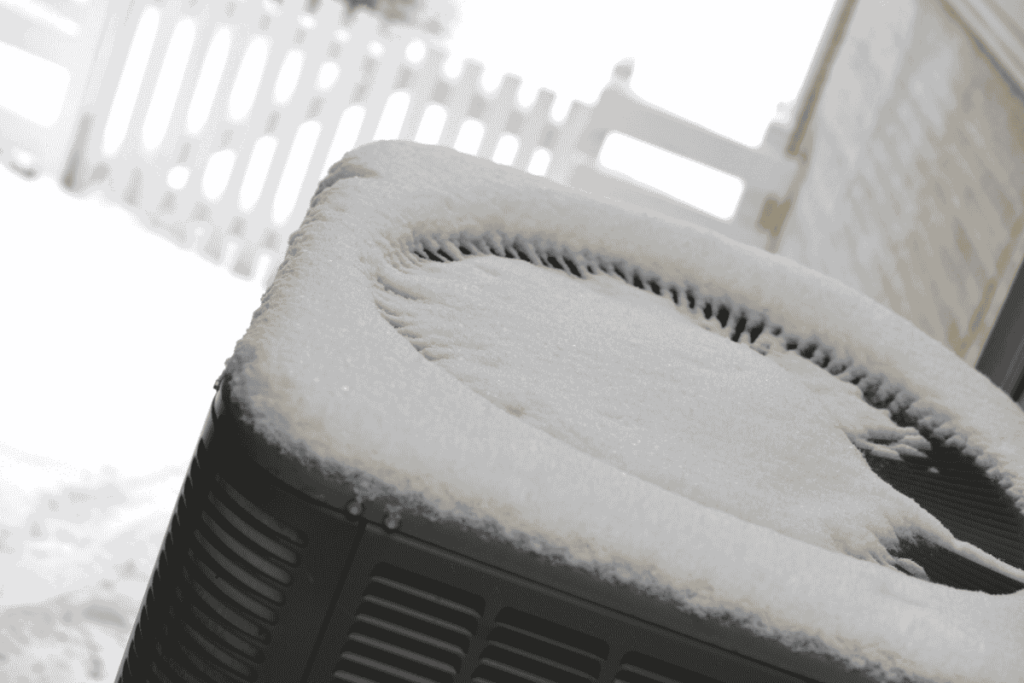
A late-season storm is tough on heating equipment for one simple reason: people are less prepared for it. Filters may already be overdue. Outdoor units may have debris around them. A boiler or furnace may have been acting up for weeks, but not enough to force a service call.
Watch for these warning signs:
- weak airflow
- rooms heating unevenly
- short cycling
- strange banging or rattling
- a thermostat that never seems to catch up
- a heat pump struggling to recover after a setback
Those are not just comfort issues. They are the kind of signs that show up right before a no-heat call.
What to Do Before the Snow Starts
Start with the basics and do not overcomplicate it.
- Replace a dirty air filter
- Make sure supply and return vents are open
- Check that your thermostat is responding normally
- Confirm the home is heating evenly
- Clear debris around a heat pump outdoor unit
- Make sure snow will not pile up around outdoor equipment
If your system has been noisy, inconsistent, or slow to warm the house, do not wait and hope it improves on its own. Contact repairHVACnow now for heating maintenance before local service calendars tighten and outage calls start stacking up.
If the Power Goes Out
Do not create a bigger emergency trying to solve a smaller one. The National Weather Service warns that generators should never be used indoors because of deadly carbon monoxide risk. Officials also warn that candles, fireplaces, and alternative heat sources can become dangerous if used carelessly.
If you lose heat:
- close off unused rooms
- block drafts under doors
- shut blinds and curtains
- wear layers
- keep everyone in one main living area if possible
- check on older adults and medically vulnerable family members
The goal is to hold indoor warmth as long as you safely can while you wait for power restoration or service.
Book Service Before The Rush
The biggest mistake homeowners make during a storm alert is waiting until the house is already cold. Once roads worsen and emergency calls rise, response windows shrink. A storm does not have to be the biggest in the country to cause real disruption. It only has to hit your road, your commute, or your heating system at the wrong time.
If you live near Stevens Pass, Mazama, Stehekin, Holden Village, the St. John Valley, northwestern Aroostook, the Upper Penobscot Valley, or northern Washington County, take this seriously now, not later. Let repairHVACnow help you get connected with local technicians before this late-season snow event turns into a no-heat emergency. Book service now while the house is still warm and the problem is still manageable.
