
Cold winter nights are stressful enough without having to deal with malfunctioning thermostats that leave your home without heat. Expert technicians report regularly hearing about home thermostat not working complaints from homeowners during freezing temperatures, worried about family comfort, safety, and even frozen pipes. Prolonged loss of heat due to decision delays can quickly turn a comfort issue into a costly emergency. HVAC technicians maintain that problems addressed within the first few hours are significantly easier and less expensive to fix than issues left overnight.
At repairHVACnow, we connect homeowners with licensed, trained HVAC professionals who see these issues every winter. A thermostat may look simple, but it acts as the brain of your heating system. When it fails, your entire system can stop responding. While most problems and issues need professional attention, the good news is that some causes are simple and safe to check. Stay calm, avoid random setting changes, and start with basic checks.
If your heat still does not respond and temperatures are dropping, call repairHVACnow for same-day service so a qualified technician can restore warmth safely.
Why a Thermostat Is Crucial in Winter
A thermostat controls when your furnace turns on, how long it runs, and how warm your home becomes. In winter, even small thermostat issues can shut down heat entirely. Homeowners often notice the screen going blank, the system failing to respond, or rooms staying cold despite adjustments.
Winter puts extra strain on controls due to temperature swings and increased runtime. When thermostat problems are ignored, furnaces may short cycle or fail to start at all, increasing energy bills and wear on components. Homeowners are advised to observe symptoms carefully before adjusting settings or even attempting to rewire the thermostat.
Common Reasons Your Thermostat Stops Working in Winter
When complaints of the broken thermostats spike beyond the norm, the causes are often seasonal. Common symptoms homeowners notice include:
- Blank or flickering display
- Heat not turning on
- Short cycling
- Temperature mismatch
Winter-specific causes often include battery failure from cold, dust buildup from months of inactivity, or power interruptions from storms. Left unaddressed, these thermostat problems can overwork your furnace, raise heating costs, and increase the risk of frozen pipes. Make sure you perform basic checks before calling for service.
Check Your Thermostat Settings and Batteries
Safe troubleshooting a thermostat starts with simple steps homeowners can perform confidently. If you have been asking, how to fix my thermostat, begin here.
DIY-safe steps:
- Confirm the system is set to “Heat”
- Set the temperature at least 5 degrees above room temperature
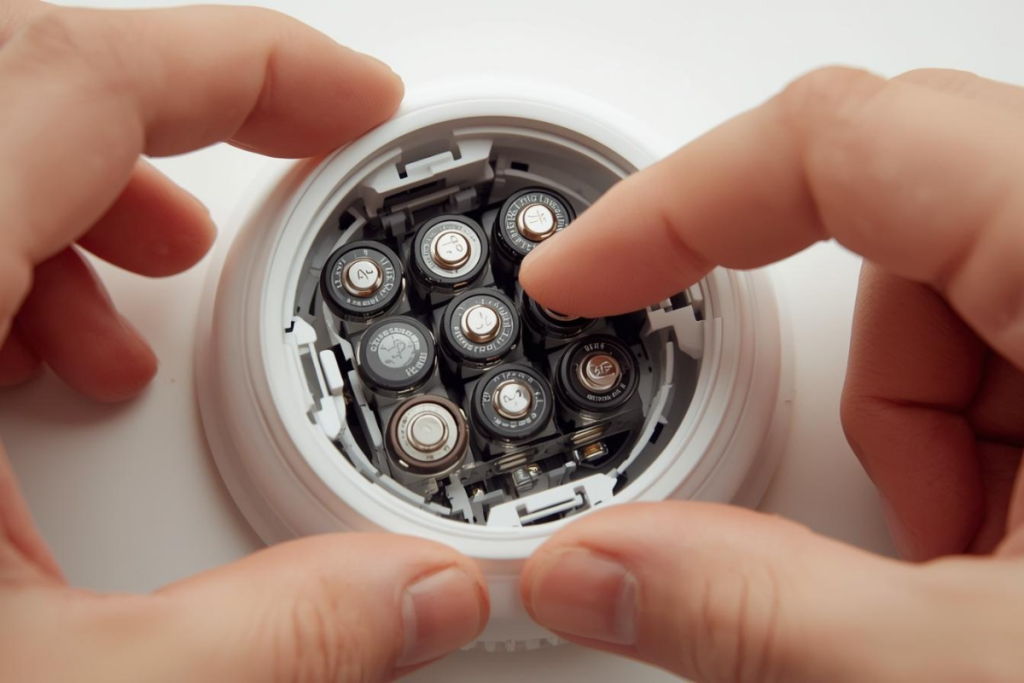
- Replace batteries with fresh alkaline batteries
- Gently clean dust using a dry cloth
Repeated battery failure often signals deeper system issues rather than user error. If you’re unsure what the cause truly is, test the heat after each step. If it still doesn’t work, it’s time to call the experts.
Inspect the HVAC System for Heating Issues
Your thermostat sends signals to your furnace. When that communication breaks down, your system is calling for furnace thermostat repair. Before you have to ask for expert technicians, you can safely check for:
- Tripped breakers
- Furnace power switch position
- Dirty air filter restricting airflow
Opening furnace panels or bypassing safety controls is dangerous and not recommended.The U.S. Department of Energy warns that improper interaction with heating equipment can create safety risks, reduce efficiency, and increase the likelihood of system failure when maintenance and repairs are not handled correctly. If safe checks do not get the heat in your house to respond, stop and call a professional.
Is it the Furnace or the Thermostat?
Many homeowners can’t tell where the issue starts, and guessing can waste valuable time in winter. A licensed HVAC technician can quickly determine whether the problem is the thermostat, furnace safety controls, or a power issue.
Get connected to a qualified local technician today through repairHVACnow and get clear answers before the problem escalates.
Thermostat Wiring Problems to Look Out For
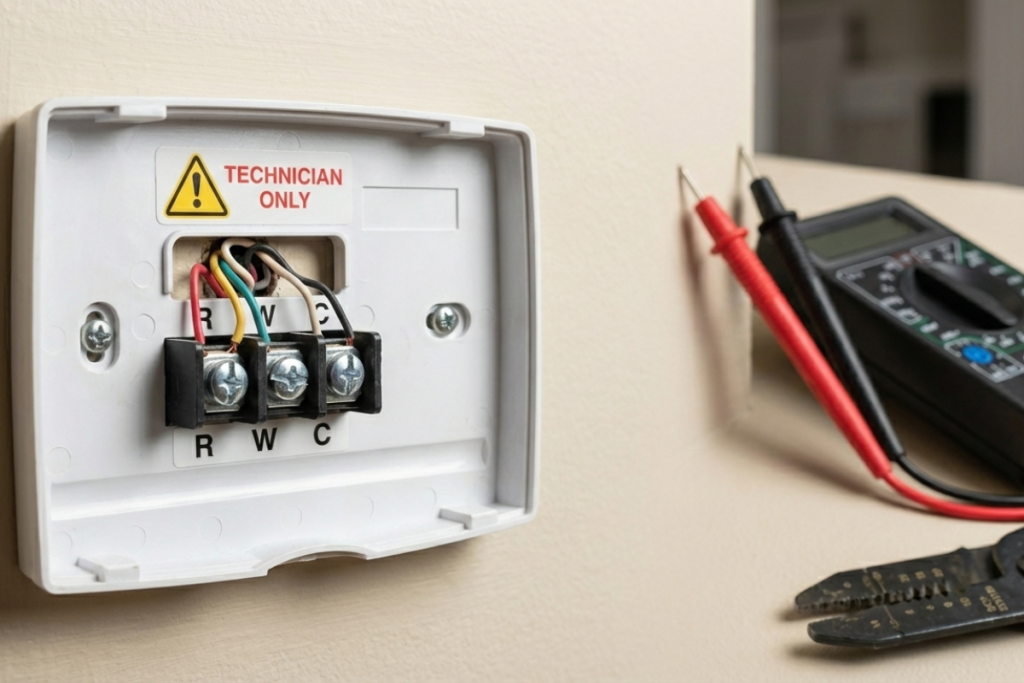
Loose or damaged wiring is a common winter issue, especially as materials contract in cold weather. These thermostat problems can prevent proper signals from reaching the furnace.
Thermostat wiring uses low-voltage signals, but incorrect handling can damage control boards or create safety hazards. ASHRAE emphasizes maintaining control system integrity to ensure safe and reliable HVAC operation .
What a technician will do:
- Verify voltage
- Secure terminals
- Test communication with the furnace
Whatever you do, do not touch wiring and schedule service now.
Software or Smart Thermostat Glitches
A digital thermostat not working often points to software or connectivity problems. Homeowners may see frozen screens, Wi-Fi disconnects, or unresponsive controls during cold weather.
Power cycling the thermostat is generally safe, but repeated failures suggest deeper compatibility or firmware issues. Energy Star notes that smart thermostat performance depends on proper setup, correct HVAC system compatibility, and integration with heating and cooling equipment to deliver energy savings and reliable operation.
If Temperatures Continue To Drop
If your thermostat adjustments produce no response and outdoor temperatures are approaching freezing, waiting can allow moisture to freeze inside pipes, coils, and drain lines. Once that happens, repairs often extend beyond the thermostat itself. At this point, continued troubleshooting can do more harm than good, professional service is the safest option.
When to Call a Professional HVAC Technician
If your thermostat refuses to respond to the basic, safe fixes, it is time that professional help is called. Warning signs include:
- Heat still not responding
- Repeated shutdowns
- Burning smells
- System lockouts
Licensed technicians follow industry service standards, ensuring safety and proper diagnosis. ACCA outlines professional procedures for HVAC system evaluation, repair and installation so homeowners rest assured that heating systems installed in their homes have been installed without bypassing recommended standards and practices.
Schedule your HVAC inspection today to avoid costly breakdowns and restore heat in your home in the midst of coldest spells of the 2026 winter.
Preventing Thermostat Problems Next Winter
While repairHVACnow can carefully guide you through safely fixing a thermostat issue this winter, we want to prevent faulty thermostats next winter. Regular maintenance and preventive care reduces recurring outages. A seasonal maintenance approach helps protect comfort and simultaneously ensures your family’s safety.
Prevention checklist:
- Replace batteries annually
- Schedule preseason inspections
- Keep thermostat clean and unobstructed
These steps help reduce emergency calls, lower heating costs, and extend system life. Book preseason maintenance before winter arrives.
Restore Your Heat With Confidence
When you contact repairHVACnow, here is what happens:
- We quickly connect you with a local, licensed HVAC technician
- A professional diagnoses the issue safely
- You receive clear options and upfront guidance
- Heat is restored with ease and comfort
Request an appointment with repairHVACnow now and get reliable winter heat backed by expert technicians homeowners trust.
Other Blog Posts
Furnace Filter Mistakes
Furnace Installation & Maintenance
Common Air Duct Problems
Water Heater Leaks
Auxiliary Heat Explained
Furnace Size Guide
