
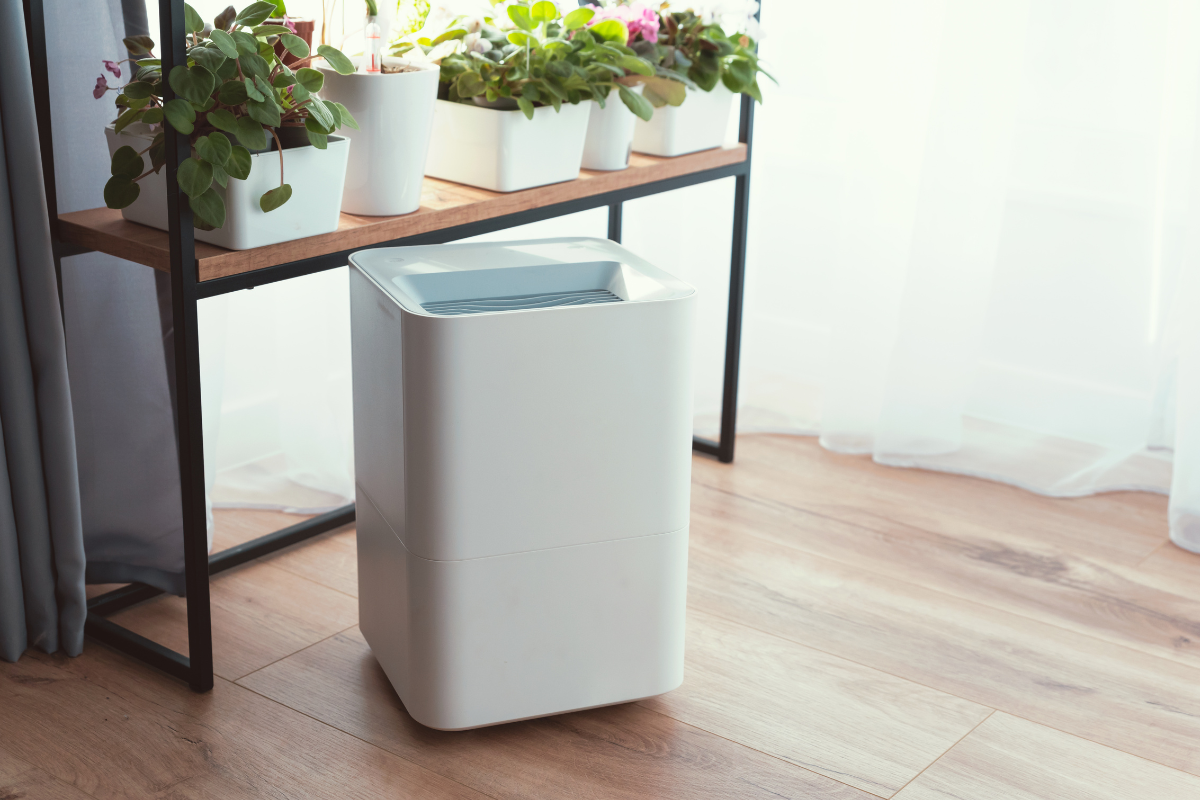
As temperatures drop and homes stay sealed for longer hours, indoor air often becomes stale, dry, and filled with contaminants that circulate through the heating system. Winter is the time when indoor air quality problems show up the most as dust increases, allergies worsen, and breathing becomes uncomfortable.
The fastest way to improve winter indoor air quality is through a professional HVAC inspection tailored to seasonal airflow and filtration challenges. At repairHVACnow, we help families improve air quality every winter with targeted HVAC inspections, airflow optimization, filter upgrades, and whole-home solutions designed for cold weather challenges.
This guide explains why winter air becomes more polluted, the warning signs you should never ignore, and actionable HVAC air quality tips that deliver long term benefits. If your air feels heavy, dusty, or “hard to breathe,” a winter HVAC tune-up is the first step to correcting it.
Understanding Winter Indoor Air Quality Issues
When windows stay closed for months at a time, airborne particles accumulate quickly. Heating systems run longer, circulating dust, pet dander, and moisture that would normally escape outdoors. According to the EPA Indoor Air Quality Program, winter ventilation rates decrease significantly, allowing pollutants to build up in bedrooms, living areas, and HVAC equipment.
Less ventilation = more indoor pollution. This is why HVAC care matters most in colder months; lack of proper airflow can increase indoor particulate levels, irritate respiratory conditions, and worsen allergies. This is why improving winter indoor air quality begins with identifying how winter living habits trap pollutants inside the home.
How HVAC Systems Affect Home Air
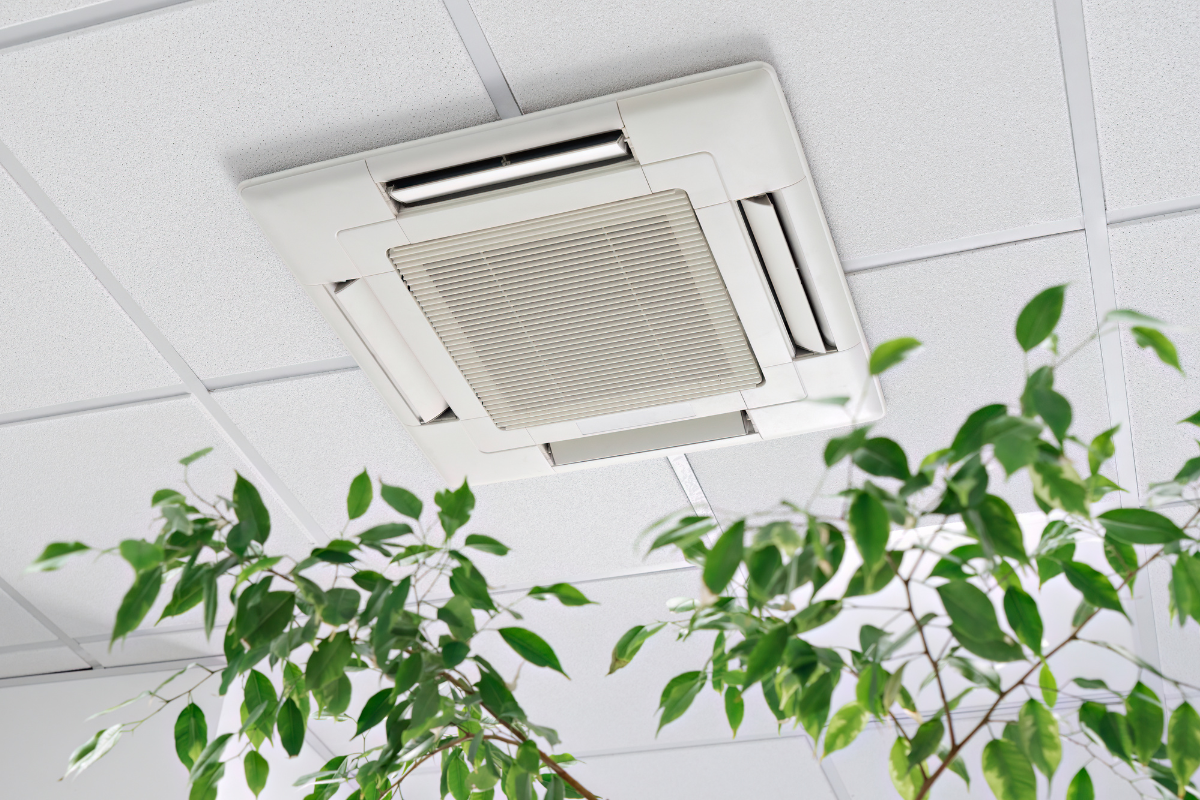
Every time the heating system turns on, air is pulled through return ducts, pushed across the heat exchanger, and distributed throughout the home. If dust, debris, or biological contaminants are inside the equipment, they spread through every room. ASHRAE ventilation standards note that low ventilation with high recirculation increases the concentration of airborne pollutants during winter.
Routine winter HVAC service helps:
- improve airflow
- Remove trapped dust
- prevent recirculation
- protect respiratory health
- lower allergy symptoms
When HVAC inspections happen at the start of the heating season, using the right HVAC air quality tips can prevent the pollutants from recirculating, making your system function more efficiently.
Signs Your Indoor Air Needs Attention
If you notice any of the symptoms below, your air may require immediate attention:
- Dry throat or irritated sinuses
- Lingering odors in rooms
- Dust buildup on surfaces and vents
- Indoor headaches or fatigue
- Family members experiencing increased allergies
Call repairHVACnow for a professional HVAC evaluation if you see these warning signs.
Common Winter Air Quality Problems Solved
Winter brings unique indoor air quality challenges, but most can be corrected with proper HVAC care and simple home adjustments.
Common Causes of Winter IAQ Issues & Simple Fixes
| Issue | Likely Cause | Why It Happens | Recommended Homeowner Action |
| Dry indoor air | Low humidity levels | Heating reduces moisture | Use whole-home humidification |
| Excess dust | Dirty filters or ducts | Longer heating cycles | Change filters frequently |
| Lingering smells | Poor ventilation | Homes remain sealed | Increase ventilation when weather permits |
| High allergens | Dirty HVAC system | Recirculated air | Schedule winter HVAC maintenance with a trained technician + Improve circulation using ceiling fans |
These steps help improve home air quality and reduce irritants during the colder months.
Improving Air Quality With Regular Maintenance
Consistent winter HVAC maintenance protects your system from dust accumulation, airflow blockages, and mold formation inside coils or ductwork. Organizations such as ACCA recommend seasonal HVAC servicing to maintain clean, healthy indoor air and stable system performance.
Professional HVAC maintenance includes:
- Cleaning blower assemblies
- Inspecting evaporator and heat exchanger surfaces
- Checking duct connections
- Evaluating airflow and static pressure
- Cleaning drain lines and condensate pans
Schedule your HVAC inspection today with repairHVACnow to restore safe, clean airflow throughout your home.
Choosing Air Filters For Winter Months
Selecting the right air filters for winter makes a major difference in how well your HVAC system removes dust, allergens, and particulate matter. Energy Star provides filter guidance emphasizing proper MERV ratings to improve filtration without restricting airflow.
Filter Type Comparison Table
| Feature | Standard Filters | High MERV Filters | HEPA Filters |
| Filtration Level | Low to moderate | Moderate to high | Highest available |
| HVAC Compatibility | Universal | Some systems only | Not common in standard residential HVAC |
| Allergen Removal | Basic | Strong | Excellent |
| Best For | Mild allergies | Most homes | Severe allergies |
When to Upgrade Filters
- Homes with multiple pets
- High dust levels
- Increased winter allergies
- Family members with respiratory concerns
Choosing the right filter supports stable airflow and stronger home air quality solutions all winter.
Reducing Indoor Allergens During Cold Season
Winter allergen levels often rise because contaminants remain trapped inside the home. Using the right methods to reduce indoor allergens helps improve comfort and reduce symptoms.
Recommended steps include:
- Vacuuming with HEPA filtration
- Dusting weekly with microfiber cloths
- Cleaning or sealing ducts
- Keeping humidity between 30 and 50 percent
- Running air purifiers in bedrooms and high use areas
Indoor humidity is especially important since dry air irritates respiratory passages, while high humidity promotes mold. Keeping a stable level improves both comfort and health.

Tips For Healthier Breathing At Home
Small daily changes greatly improve winter indoor air quality and support healthier living.
Quick Actions Homeowners Can Take
- Replace filters monthly
- Add whole home humidity control
- Open windows briefly in the afternoon when temperatures rise
- Use kitchen and bathroom exhaust fans
- Add room air purifiers for focused filtration
These simple adjustments strengthen home air quality solutions and make winter living significantly more comfortable.
When Professional Help Is Needed
Call repairHVACnow if you experience:
- Persistent odors
- Excessive dust
- Allergy flare ups
- Low airflow from vents
- Strange HVAC noises or overheating
Our technicians offer same day service to restore clean, healthy winter air.
Breathe Cleaner this Winter
Managing winter indoor air quality protects your family’s comfort, health, and long term HVAC performance. With proper filtration, cleaning, ventilation, and seasonal inspections, your home can remain fresh and breathable even during the coldest months.
repairHVACnow is here to help you improve indoor air quality with expert HVAC air quality tips, detailed inspections, and complete home air quality solutions. Schedule your HVAC inspection today and enjoy cleaner, healthier air all winter long.
