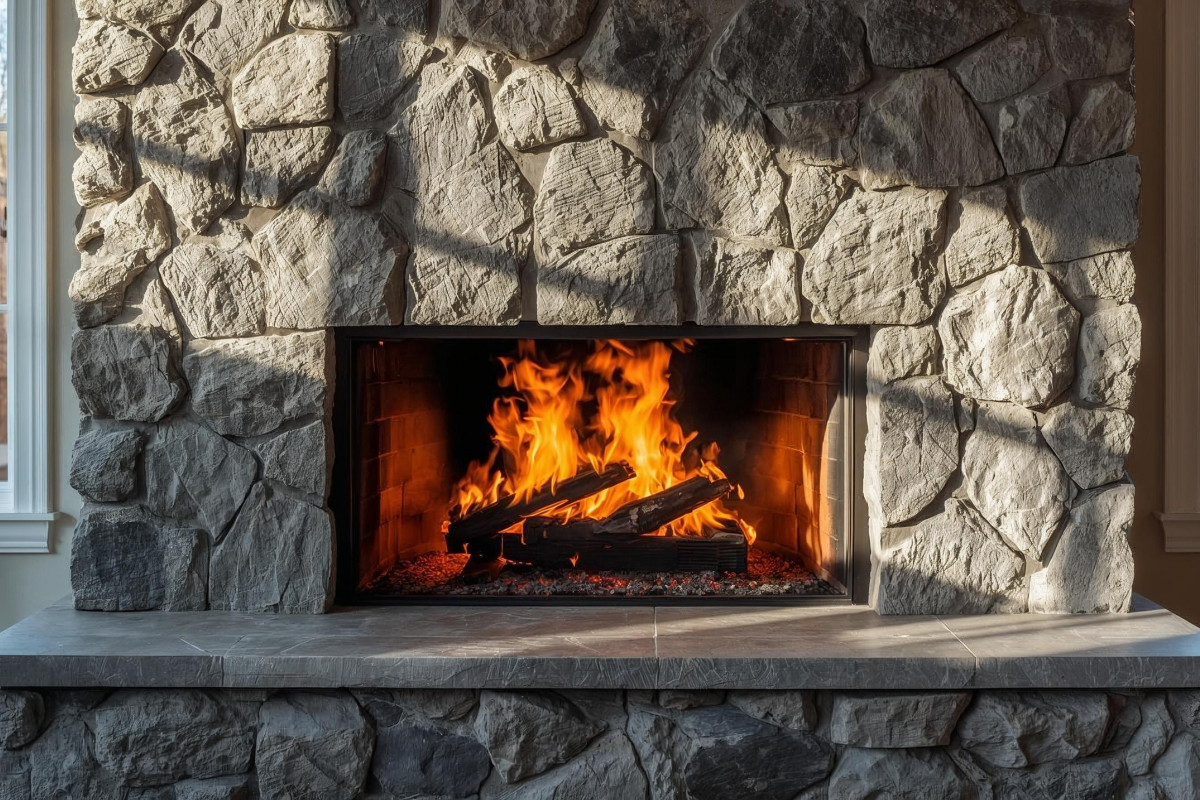
Winter brings beautiful moments, but it also brings freezing temperatures that put your heating system to the test. Picture this. It is the first truly cold night of the season, temperatures drop below freezing, and suddenly your furnace begins struggling to heat your home. This is the scenario many homeowners face when winter HVAC maintenance is put off until it is too late.
That is why preparing early is essential. As repairHVACnow, decades of experience has taught us how winter weather exposes hidden weaknesses inside furnaces, heat pumps, ductwork, and ventilation systems. Simple maintenance steps can make the difference between a warm, comfortable home and a costly breakdown. Whether you need home heating system maintenance or want to boost efficiency for the season ahead, taking the right steps now will protect your system and family.
Here is how to prepare your heating system for winter, what to inspect, and the essential maintenance tasks that help your home stay safe and comfortable all season long.
Why Winter Heating System Maintenance Matters
Cold weather puts a much heavier load on heating equipment compared to the rest of the year. Furnaces must run longer cycles, heat pumps must overcome freezing outdoor temperatures, and even small problems like dirty burners or weak airflow can turn into full system failures. Common winter issues include clogged filters, worn ignition components, airflow blockages, thermostat miscommunication, or poor home insulation.
These problems limit heating performance, increase energy bills, and create unnecessary wear on your system. Federal guidance also shows how neglecting heating system inspection and tune-ups can reduce heating efficiency and drive up utility costs. For example, the US DOE notes that properly maintained heating systems use less energy and experience fewer breakdowns.
Professional technicians like those at repairHVACnow can identify issues long before they lead to unexpected winter failures. Routine furnace maintenance tips such as cleaning burners, tightening electrical connections, inspecting heat exchangers, and checking airflow help ensure reliable, consistent heating. When you prepare your heating system for winter, you protect your home from the discomfort and risks of losing heat during the coldest months.
Inspect and Clean Your Furnace
Your furnace is the heart of your winter heating system, and it must be clean, efficient, and safe to operate. Dust, soot, and debris naturally accumulate inside the burner compartment, blower assembly, and heat exchanger area. Over time, this buildup reduces heat output, increases fuel consumption, and can even create safety hazards if left unaddressed.
Homeowners should perform a visual check, looking for dust, unusual odors, rust, or changes in flame color. But deep cleaning should always be left to trained technicians. During a professional heating system inspection, our repairHVACnow experts remove dust buildup, clean burners, check ignition systems, test flame sensors, and verify venting components to ensure safe operation.
These furnace maintenance tips maintain heating efficiency and prevent issues like delayed ignition, poor combustion, and uneven heat output. If your system is older or showing signs of wear, scheduling a technician to prepare your furnace for winter ensures you will not face unexpected breakdowns during severe cold.
Replace or Clean HVAC Air Filters
Your air filter plays a major role in home heating system maintenance, especially during winter. When filters become clogged with dust, pet dander, or debris, your heating system struggles to draw air through the system. This causes overheating, longer run times, weak airflow, poor indoor air quality, and increased energy bills.
Longer winter heating cycles put extra strain on filters, so homeowners should check them at least once a month during the cold season. Common symptoms of a clogged filter include reduced air output, unusual furnace sounds, increased dust in the home, and inconsistent temperatures.
Replacing the filter regularly supports better airflow, lower energy costs, and longer system life. The Department of Energy also emphasizes the importance of regular filter changes to maintain system efficiency and prevent failures. Whether you use disposable or reusable filters, clean air flow is one of the most important parts of winter HVAC maintenance.
Test and Adjust Your Thermostat Settings
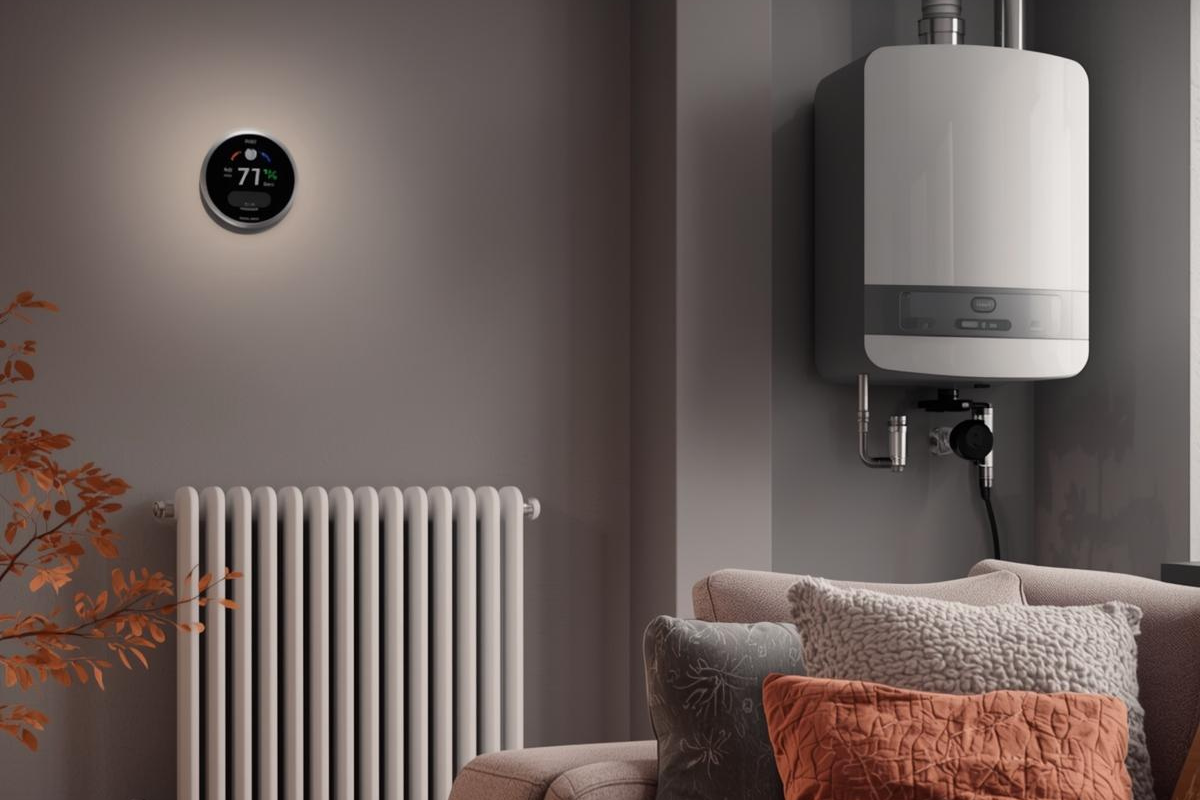
A thermostat that is inaccurate, misconfigured, or poorly placed can cause a variety of heating system inspection issues. Before winter, test your thermostat by comparing the displayed temperature with the actual room temperature. If the readings are inconsistent, recalibration or replacement may be necessary.
Programmable and smart thermostats help maintain more consistent temperatures while saving energy. They allow homeowners to set ideal heating schedules that match daily routines. This is an important part of home heating system maintenance because it reduces unnecessary run time and keeps your home comfortable.
Simple changes such as lowering your nighttime temperature by a few degrees can reduce heating costs without sacrificing comfort. Testing and adjusting your thermostat ensures your system works efficiently long before the coldest weeks arrive.
Check Ductwork for Leaks or Blockages
Your ductwork is the pathway that delivers warm air throughout your home. When ducts leak, become crushed, or clog with dust, they can waste up to 30 percent of heated air. Energy Star notes that duct leaks significantly reduce system efficiency and comfort.
When you prepare your heating system for winter, inspect the ductwork you can safely reach, such as in basements, attics, and crawl spaces. Look for loose connections, visible gaps, disconnected sections, or signs of dust trails around seams. Blocked ducts may also cause rooms to heat unevenly.
repairHVACnow technicians can perform professional sealing to restore airflow and improve whole home heating performance. Duct repair is an essential part of heating system inspection and helps ensure your furnace does not work harder than necessary.
Ensure Proper Ventilation and Airflow
Proper ventilation ensures your heating system can circulate warm air throughout the home without restriction. Blocked vents, damaged registers, closed dampers, or negative air pressure can reduce heating performance and create cold spots. Ensuring good airflow is a vital part of winter HVAC maintenance.
Start by checking that all supply vents are open and unobstructed by furniture or rugs. Inspect return vents to make sure they are not blocked by drapes or dust buildup. Poor airflow makes your heating system work harder than necessary and can lead to overheating or early system wear.
If some rooms still feel colder despite open vents, airflow balancing may be needed. repairHVACnow can measure airflow and identify restrictions to keep your home heating system maintenance on track.
Inspect Carbon Monoxide and Smoke Detectors
Winter increases the risk of carbon monoxide exposure due to increased furnace use, reduced ventilation from closed windows, and potential equipment malfunctions. Testing your CO and smoke detectors is one of the most important steps to take to prepare heating system for winter.
Check that all alarms have working batteries, test the alert function, and replace any detectors older than 7 years. The Environmental Protection Agency states that fuel burning appliances can produce carbon monoxide when malfunctioning or improperly vented.
Performing detector checks as part of following regular furnace maintenance tips ensures your home will stay safe throughout winter. Always call a professional if you detect strange odors, soot buildup, or symptoms of CO exposure.
Schedule a Professional HVAC Maintenance Visit
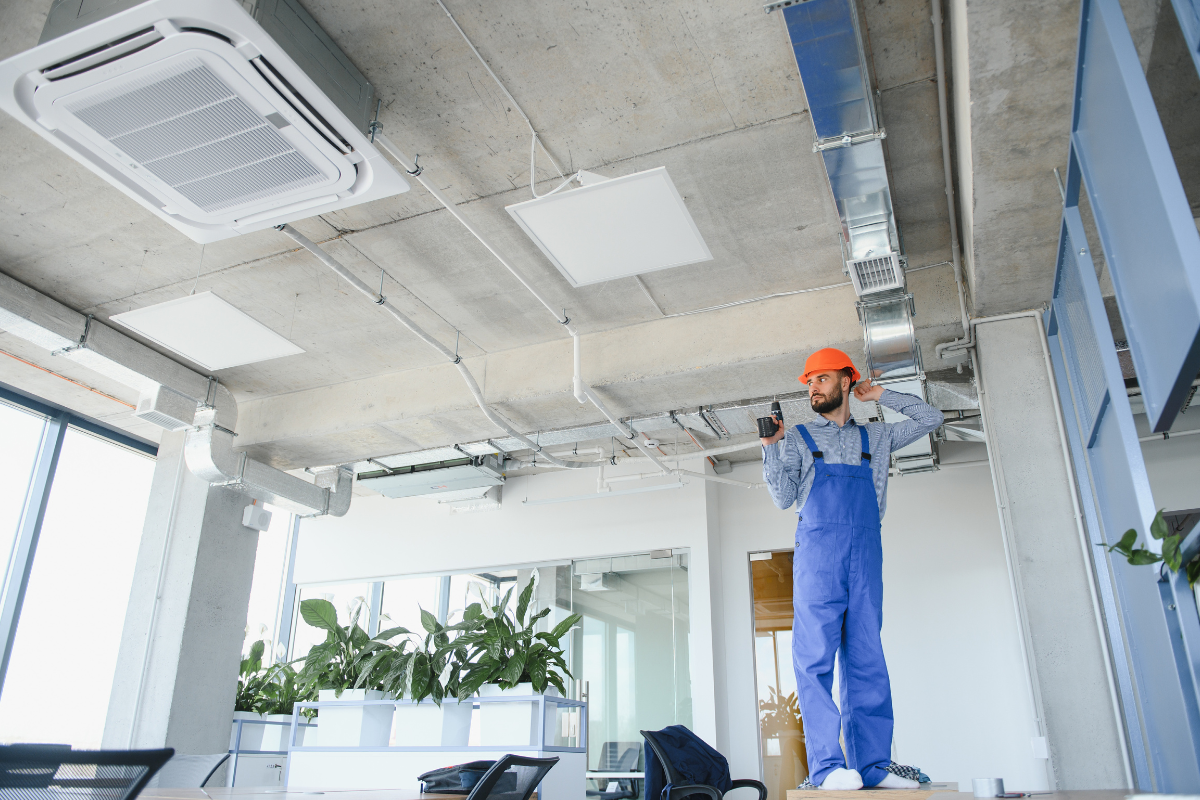
Even with good homeowner care, only a licensed technician can provide a complete winter HVAC maintenance tune up. repairHVACnow performs comprehensive winter inspections that include checking electrical components, testing ignition systems, verifying burner operation, measuring airflow, inspecting heat exchangers, and calibrating thermostats.
Regular heating system inspection helps catch issues such as weak blower motors, improper combustion, duct leaks, or failing sensors before they lead to breakdowns. Professional tune ups also improve energy efficiency and extend system life, which is especially important when you get ready to prepare your furnace for winter.
Scheduling service early ensures you will not face peak season wait times if your system develops problems.
Improve Insulation for Better Heating Efficiency
Your home’s insulation works hand in hand with your heating system. Good insulation reduces heat loss, keeps warmed air inside longer, and reduces strain on your heating equipment. As part of home heating system maintenance, homeowners should inspect areas prone to energy loss.
Check attic insulation depth, wall insulation, basement sealing, window drafts, and door seals. The U.S. Department of Energy highlights the role of proper insulation in reducing heating costs and improving overall comfort.
Better insulation supports lower heating bills and helps your furnace maintain a consistent indoor temperature. Adding insulation is one of the best furnace maintenance tips to improve long term heating efficiency and reliability.
Final Winter Heating Maintenance
Do not wait for winter temperatures to reveal hidden furnace issues. Whether you need winter HVAC maintenance or want to prepare your furnace for winter, taking action now ensures safety, comfort, and peace of mind throughout the cold months.
repairHVACnow is here to help you every step of the way. Schedule your heating system inspection today and keep your home warm, efficient, and protected all season long.
